Table of Contents
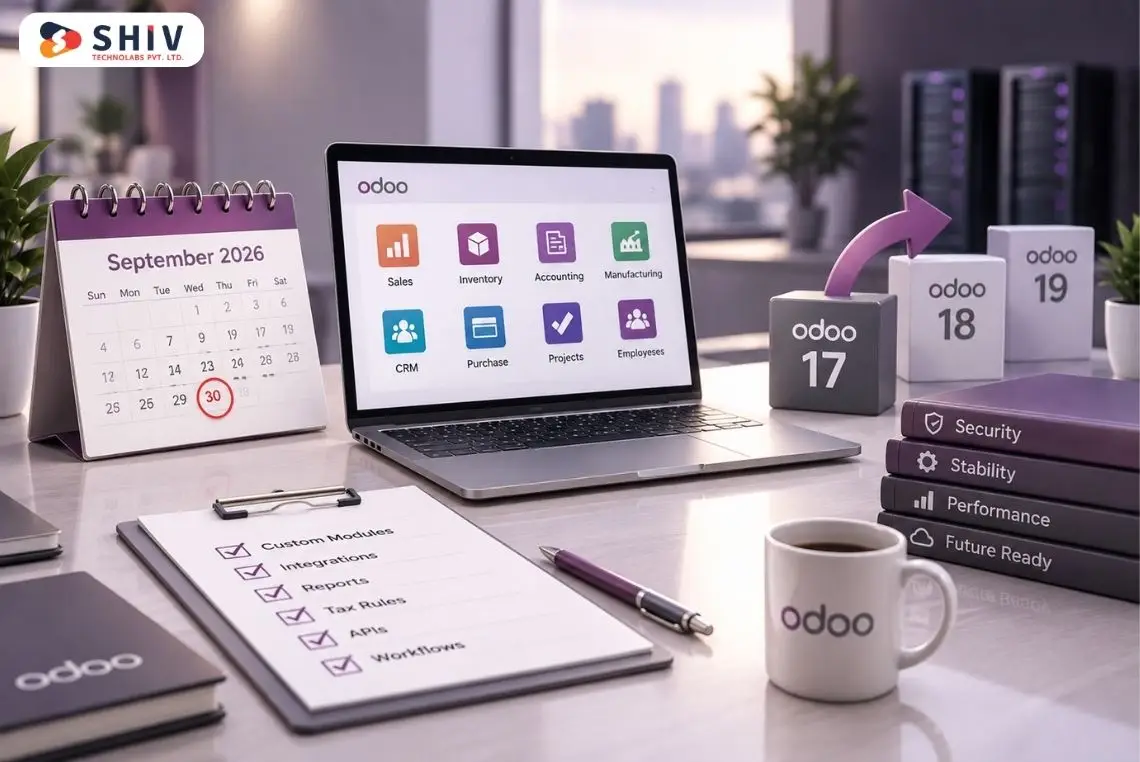
Managing Odoo projects is changing quickly. By 2026, many businesses will be running more complex workflows, handling larger data volumes, and relying on deeper system connections across sales, finance, inventory, and customer operations. At the same time, maintaining a full-time in-house Odoo team is becoming harder due to rising costs, evolving skill requirements, and the pace at which ERP systems need updates.
Odoo is no longer a “set it once” platform. New modules, custom logic, mobile access, automated testing, and ongoing fixes are now part of everyday ERP usage. Businesses must respond faster to internal process changes, compliance needs, and integration demands without slowing down operations.
This shift is pushing teams to rethink how Odoo work is managed. Instead of expanding permanent teams, many organizations are adopting flexible models that allow them to handle customization, maintenance, and support as needed. Understanding how this approach works—and where it fits—has become essential for keeping Odoo systems reliable, adaptable, and ready for future growth.
Why Businesses Need Odoo Support After ERP Go-Live
Going live with Odoo is only the beginning. Once real users start working with the system every day, gaps between standard ERP features and actual business processes become visible. Teams often discover that certain workflows need adjustments, reports need refinement, and integrations require fine-tuning to match how the organization operates in practice.
As data volume grows and more departments rely on Odoo, system stability becomes critical. Regular updates, version changes, and third-party module dependencies can introduce unexpected issues if they are not monitored properly. Even small changes—such as modifying approval flows, adding validation rules, or updating user access—require technical attention to avoid disrupting ongoing operations.
Business environments also change continuously. New sales channels, compliance requirements, mobile usage, and automation needs place fresh demands on the ERP system. Odoo support after go-live helps organizations respond to these changes without slowing down internal teams or risking system errors. Consistent support allows the ERP to remain reliable, adaptable, and aligned with evolving business goals rather than becoming a constraint over time.
Odoo Tasks Businesses Commonly Request After ERP Setup
1) New Modules Customizations
Odoo is highly flexible, allowing for extensive customization to fit specific business needs. Developers can tailor new modules to add unique functionalities or modify existing ones to improve performance. For instance, if your business requires specific inventory management features or unique sales workflows, an Odoo developer can create or adjust modules to meet these needs precisely.
2) Automated Tests
Automating tests in Odoo ensures that your ERP system remains robust and reliable. Developers can create scripts to automatically test functionalities, reducing the likelihood of errors and ensuring smooth operations. Automated tests are particularly beneficial in large systems where manual testing would be time-consuming and prone to human error. By regularly running these tests, you can ensure that new updates or customizations do not inadvertently break existing functionalities.
3) Mobile Apps
With the rise of mobile usage, having a mobile app integrated with your Odoo system is crucial. Developers can build custom mobile apps that sync seamlessly with your Odoo backend, providing real-time data access and functionality on the go. This is particularly useful for businesses with field operations, sales teams, or any scenario where employees need to access data remotely.
4) Data Import
Migrating data from legacy systems to Odoo can be a complex process. Skilled developers can handle data import tasks efficiently, ensuring that all data is accurately transferred and integrated into the new system. This involves not only transferring data but also ensuring data integrity and consistency. Developers can also create custom scripts to automate future data imports, making it easier to keep your Odoo system up-to-date with the latest information.
5) Website Widgets
Enhancing your website with custom widgets can improve user experience and provide additional functionality. Odoo developers can create and integrate custom widgets tailored to your business needs. Whether it’s a unique product filter, a custom form, or an interactive feature, these widgets can help make your website more engaging and user-friendly.
Also Read:- A Step-by-Step Guide to Payment Gateway Integration in Odoo
Handling Odoo Work Without Expanding Internal Teams

Scaling your team of Odoo developers from 1 to 20 on demand allows you to adjust your resources based on project requirements. This flexibility means you can scale up for major projects and scale down when the workload decreases, all without long-term commitments. This approach is particularly beneficial for startups and growing businesses that need to manage costs while ensuring they have access to the right talent when needed.
| Service | Cost (per hour) | Cost (per month) |
|---|---|---|
| Junior Developer | $20 | $3,000 |
| Senior Developer | $40 | $6,000 |
| Project Manager | $50 | $7,500 |
| Maintenance & Support | $30 | $4,500 |
| Mobile App Development | $45 | $6,750 |
| Data Import | $35 | $5,250 |
| Automated Tests | $25 | $3,750 |
| Website Widgets | $30 | $4,500 |
Typical Odoo Support Workflow From Request to Delivery
1) Initial Discussion
Discuss your project requirements and goals with the Odoo development team. This initial consultation helps to understand the scope of work and the expertise needed. It’s an opportunity to outline your needs, discuss potential challenges, and get a sense of the developer’s approach to problem-solving.
2) Scope Definition and Planning
Based on the consultation, a detailed proposal and project plan are created. This plan outlines the timeline, deliverables, and cost estimates. It serves as a roadmap for the project, ensuring that both parties have a clear understanding of what to expect and when.
3) Resource Allocation Based on Task
Choose from a pool of experienced Odoo developers who match your project needs. Whether you need junior developers for simple tasks or senior developers for complex customizations, you can select the right talent. This selection process ensures that you have the right mix of skills and experience on your team.
4) Access Setup and Onboarding
Once the developers are selected, they are onboarded into your project. This includes familiarizing them with your business processes, existing systems, and project objectives. Onboarding is a critical step to ensure that the developers can hit the ground running and contribute effectively from day one.
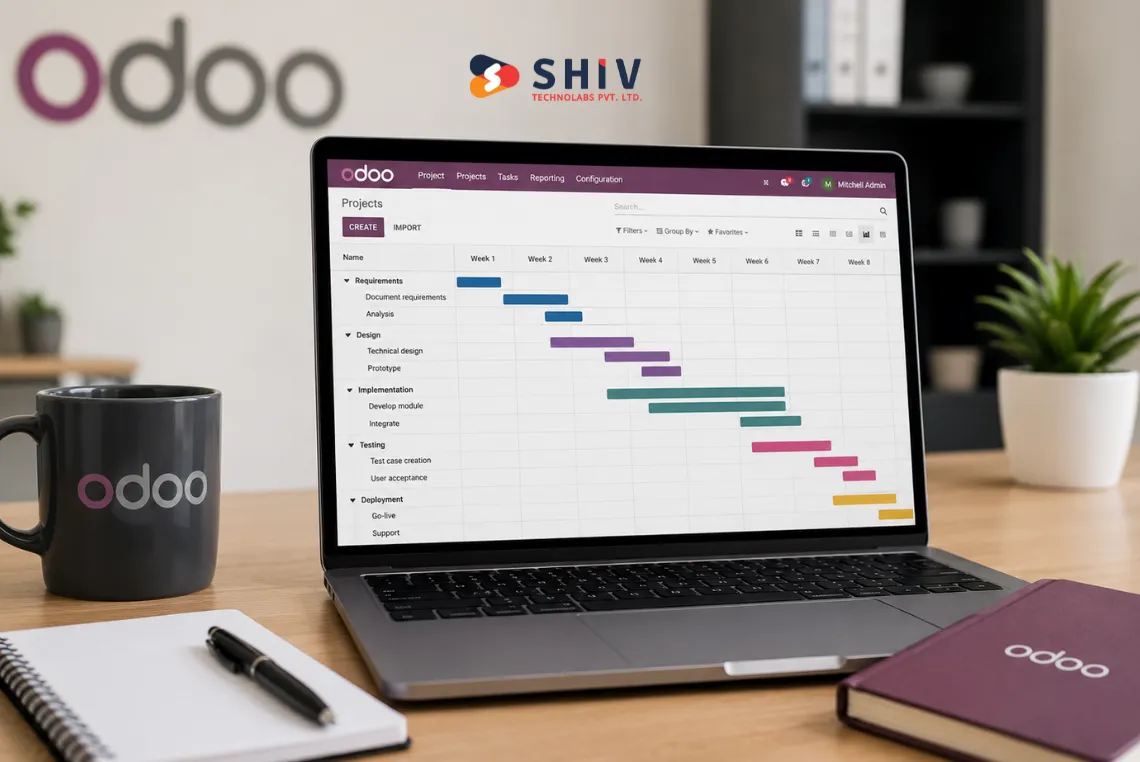
5) Development and Testing
The development phase begins, with regular updates and reviews to ensure the project stays on track. Automated and manual testing ensures that the new functionalities work as intended. Regular testing helps to catch issues early and ensures that the final product meets your expectations.
6) Release and Ongoing Support
After development and testing, the new features are deployed into the live environment. Ongoing support is provided to address any issues and ensure smooth operation. This support can include regular maintenance, bug fixes, and updates to keep your system running efficiently.
Odoo Maintenance and Support Work After Go-Live

1) Regular Updates
Keeping your Odoo system updated with the latest versions and security patches is crucial. Developers provide regular updates to ensure your system remains secure and up-to-date. This helps to protect against vulnerabilities and ensures that you have access to the latest features and improvements.
2) Bug Fixes
Quick and efficient bug fixes are essential to maintain system stability. Developers are available to troubleshoot and resolve any issues that arise. Timely bug fixes help to minimize downtime and ensure that your system continues to operate smoothly.
3) Performance Improvements
Ensuring that your Odoo system performs optimally is key to business efficiency. Developers can identify and address performance bottlenecks to keep your system running smoothly. This can involve optimizing database queries, improving server configurations, and making other adjustments to enhance performance.
4) User Training
Providing training for your team on new features and functionalities ensures they can make the most of the system. Developers can create training materials and conduct sessions as needed. Effective training helps to maximize the value of your Odoo system by ensuring that users understand how to use it effectively.
How Shiv Technolabs Supports Odoo Beyond “Go-Live”
Odoo systems continue to evolve long after the initial launch. Shiv Technolabs works with businesses that need consistent technical support to manage ongoing changes, improvements, and system stability. Instead of focusing only on implementation, the team helps organizations handle the day-to-day technical work that keeps Odoo aligned with real business operations.
Support typically covers adapting existing workflows, managing custom modules, addressing functional gaps, and assisting with integrations as new tools or platforms are introduced. As usage grows, attention is also given to performance, data handling, and user access management to prevent issues before they affect operations.
By providing structured, ongoing assistance, Shiv Technolabs helps businesses maintain control over their Odoo environment without placing extra strain on internal teams. This approach allows organizations to respond to change faster, reduce system risks, and keep their ERP reliable as processes, data, and user demands continue to expand.
Contact us today and avail more info!
Conclusion
Hiring Odoo developers on demand provides flexibility to scale your team based on project needs without long-term commitments. From new module customizations to maintenance and support, skilled Odoo developers can help you maximize the potential of your Odoo system, improving ERP systems and keeping businesses competitive.
The hiring process involves initial consultation, planning, selecting developers, onboarding, development and testing, and deployment and support. This approach ensures smooth execution and meets your objectives. The flexibility to scale from 1 to 20 developers allows resource adjustment based on project requirements.
Maintenance and support include regular updates, bug fixes, performance optimization, and user training, ensuring your system remains efficient and reliable.
If you are looking for a reliable Odoo customization company in Singapore or a top-notch Odoo development agency in Singapore, Shiv Technolabs is your go-to partner. Our team of experienced Odoo developers is ready to help you achieve your business goals with customized solutions. Contact us today to learn more about our services.
Frequently Asked Questions
Do I need a clear specification to start?
While having a clear specification helps streamline the development process, it is not mandatory. Developers can work with you to define and refine the specifications as the project progresses. This collaborative approach ensures that the final product meets your needs, even if those needs evolve over time.
How should requirements be documented?
A good specification should include detailed descriptions of the desired functionalities, use cases, and any specific requirements or constraints. It should be clear, concise, and comprehensive to guide the development process effectively. Providing examples and diagrams can also help to clarify complex requirements.
Who owns the custom work created?
The ownership of the developments typically belongs to the client. Ensure that this is clearly defined in the contract to avoid any confusion. This means that you retain the rights to any custom code or features developed for your project.
How is development quality reviewed?
Developers adhere to best practices and industry standards to ensure high-quality code and functionalities. Regular code reviews and testing are conducted to maintain quality. This commitment to quality helps to ensure that the final product is reliable, maintainable, and scalable.
How is service pricing structured?
Services are typically charged based on the time and resources required. This can be on an hourly basis, per project, or as a fixed monthly retainer, depending on the agreement. Transparent pricing helps to ensure that you understand the costs involved and can budget accordingly.
What’s the difference between technical and functional roles in Odoo?
A senior developer has extensive technical expertise and is responsible for writing and reviewing code, as well as implementing complex functionalities. A project manager oversees the entire project, coordinating between the client and the development team, ensuring timelines and budgets are adhered to. The project manager also handles communication and ensures that the project stays on track.
How are custom changes maintained over time?
Custom developments are documented thoroughly, and maintenance contracts can be established to ensure ongoing support. Regular updates and bug fixes are provided to keep the system running smoothly. Proper documentation ensures that future developers can understand and work with the custom code, making it easier to maintain and update.