Table of Contents
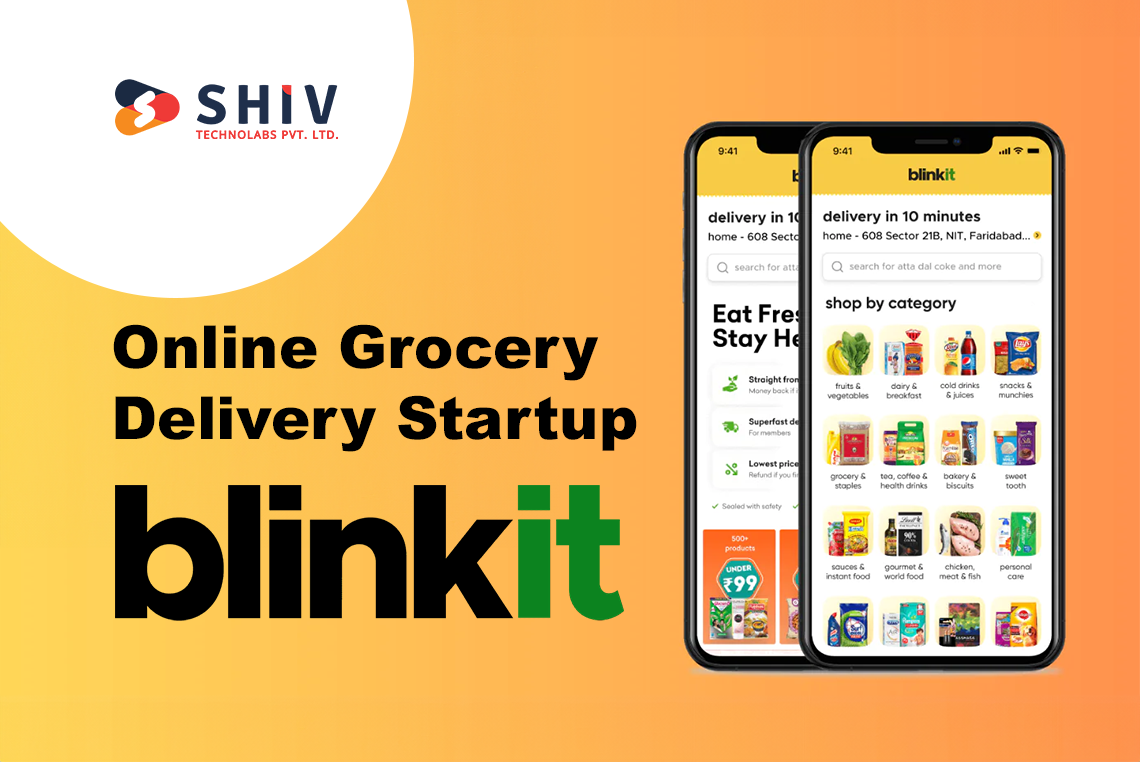
Online grocery delivery saw massive growth in recent years, and Blinkit became one of the strongest names in this space. It built a system where customers get groceries and daily essentials within minutes. This speed changed how people place orders, how often they return, and how much they spend per month.
Blinkit did more than fast delivery. It created a strong business model around convenience, quick service, and a smart pricing structure. Its revenue sources are spread across multiple channels, which helps the platform stay stable even with thin margins on grocery items.
Understanding how Blinkit earns money gives a clear view of how quick-commerce brands can build a strong foundation in this competitive category.
How Blinkit Runs Its Business Model?
Blinkit follows a simple idea: deliver daily essentials in the shortest possible time. To make this work, it set up a network of dark stores placed close to residential areas.
These stores keep fast-moving products ready for quick picking. When a customer places an order, the closest dark store receives it, prepares the items, and hands them to a rider.
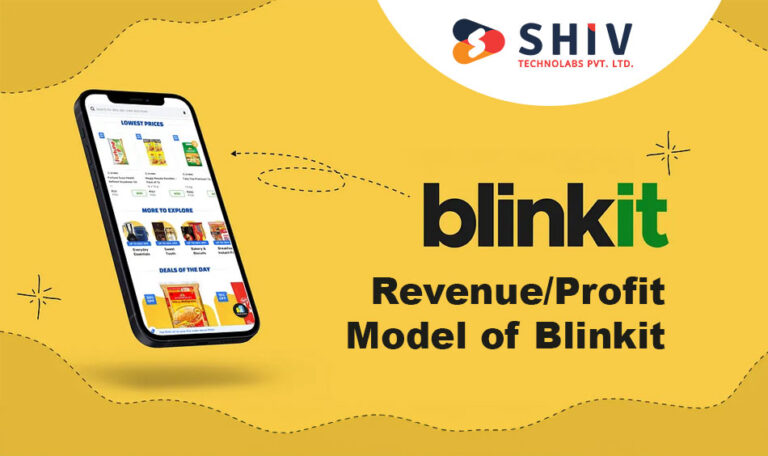
This flow cuts waiting time because the platform does not depend on traditional supermarkets. Blinkit also tracks stock levels in real-time, so customers see only what is available.
The app highlights trending items, past purchases, and frequently bought goods, which leads to higher order frequency. With this structure, Blinkit manages speed, accuracy, and repeat buying in a consistent way.
Core Revenue Sources of Blinkit
Blinkit earns money through several channels. Each channel adds a small portion, but at scale, these portions create a strong revenue flow. Here are the main earning sources:
Commission Cut on Each Order
Blinkit charges a commission from sellers for every completed order. This amount depends on the product type and margins. High-demand items like snacks or home essentials often carry better commission rates. Since thousands of orders run every day, this becomes a steady earning stream.
Delivery Charges from Customers
Customers pay delivery fees when their order value is below a certain limit or when demand is high. These charges are small, but they cover a part of the delivery operations. In peak hours, these charges rise slightly, which supports the platform during rush times.
Priority Delivery Fees
Some users want even faster service than the regular time slot. Blinkit offers priority delivery for an extra fee. This gives customers quicker drop-offs and gives Blinkit an additional revenue layer without increasing product prices.
In-App Ads and Sponsored Listings
Brands pay Blinkit to feature their products at the top of search results and category pages. These sponsored positions are valuable for FMCG brands because users often buy what they see first. This ad-based revenue is one of the strongest contributors to the platform.
Packing Charges and Convenience Fees
Small extra fees like packing charges and convenience fees also add up. They help Blinkit cover handling and packaging costs. Since these fees apply on a per-order basis, they scale well with order volume.
Private Label Products
Blinkit also sells its own branded products in categories like essentials, staples, or personal care. These items give better margins because Blinkit controls the pricing. This helps the platform strengthen profitability over time.
Blinkit’s Cost Structure (Where Their Money Goes)
To understand the strength of Blinkit’s revenue model, it is important to see where the money flows out. Quick delivery comes with heavy running costs, and the company needs to balance both sides carefully. And when you choose to hire a grocery app development company, your half the problem is already solved.
Dark Store Setup and Maintenance
Blinkit invests in setting up dark stores in prime residential zones. Rent, interiors, storage racks, cold storage units, and regular upkeep all add to the fixed monthly cost. These locations are chosen to cut delivery time, not just to save rent.
Warehouse and Rider Operations
Goods must be stocked, sorted, and picked at speed. That needs a strong backend process and trained staff at each dark store or mini-warehouse. On top of that, Blinkit spends on delivery riders, their payouts, fuel support models, and routing systems.
Staff and Logistics Cost
Apart from riders and store staff, Blinkit has teams for planning, supply chain, finance, and product management. The company also spends on technology teams who keep the app, backend, and systems stable. This mix of human and logistical costs is a big part of monthly spending.
Customer Support and Refund Handling
Online grocery brings frequent queries about missing items, late delivery, or product quality. Blinkit maintains a support team to handle chats, calls, and refunds. Refunds, discounts, and coupon adjustments are also part of the cost structure and are treated as a retention expense.
Why Blinkit’s Revenue Approach Works in the Online Grocery Space
Grocery items have thin margins, and customers expect low prices. Blinkit solves this by stacking multiple small revenue streams instead of depending on just one. Commission, delivery fees, packaging charges, in-app ads, and private labels together create a wider earning base.
Fast delivery also brings high order frequency. Many users place several small orders in a week rather than one large order. That means more chances to earn from fees and ads. When a user opens the app often, brands gain more visibility and are willing to spend more on sponsored placements.
Blinkit also focuses on convenience, not just discounts. People pay extra for time-saving services when they trust the delivery speed and product quality. This makes priority delivery and special time slots an attractive add-on. Over time, such service-based earnings can outperform plain price-based margins.
Blinkit Revenue Model Breakdown
Here is a simple breakdown that shows how each revenue source works and what it contributes. The table focuses on the core earning channels and their role in Blinkit’s overall business strength.
| Revenue Source | How It Works | Earning Potential |
|---|---|---|
| Commission on Orders | Blinkit takes a cut from sellers for every confirmed order. | Strong and steady due to high order volume. |
| Delivery Charges | Applied when the order value is low or during peak demand. | Small per order but grows fast at scale. |
| Priority Delivery Fees | Extra charge for faster-than-normal delivery. | High margin due to service-based pricing. |
| In-App Ads & Sponsored Spots | Brands pay for top placements inside the app. | One of the biggest revenue drivers. |
| Packing & Convenience Fees | Extra charges for small or sensitive items. | Helps cover handling and storage costs. |
| Private Label Products | Blinkit sells its own branded essentials. | Higher margins compared to regular items. |
This combined structure helps Blinkit earn from both users and brands, creating a balanced flow that supports long-term operations.
Real Examples of Brands Spending on Blinkit Ads
Blinkit gives FMCG and home essentials brands a strong space to reach shoppers at the exact moment they plan to buy. Many popular companies run in-app ads, banner placements, and top-slot listings to push fast-moving items.
Brands in categories like snack s, dairy, personal care, and beverages regularly invest in Blinkit’s sponsored spots. For example, chips and namkeen brands often run weekend promotions, while dairy companies highlight milk and curd in morning hours. Beverage brands push their ads during warmer months, as buying patterns rise during that time.
Home care brands also take advantage of Blinkit’s app traffic by placing their cleaning products at the top of search results. These placements help them reach customers right when they look for household essentials. With millions of app visits daily, this turns into a strong revenue source for Blinkit.
How Quick Commerce Changed Grocery Buying Habits
Quick commerce shifted grocery buying from planned weekly trips to frequent small purchases. Customers no longer wait for the weekend to stock up. They order snacks, milk, fruits, or cleaning items whenever they need them, sometimes multiple times a day.
This habit also reduces the stress of managing long shopping lists. People keep fewer items in bulk at home because they know a delivery app can send what they need in minutes. For platforms like Blinkit, this pattern brings more orders per user and more chances to earn from fees and sponsored listings.
Impulse buying has grown as well. When users open the app for one or two items, they often add extra snacks, drinks, or deals suggested on the home screen. That leads to higher cart value without heavy discount pushing, which suits the revenue model of quick-commerce companies.
Key Challenges Blinkit Faces in Revenue Growth
Fast grocery delivery looks attractive from the outside, but it comes with tough structural challenges. Blinkit has to balance user expectations, cost, and thin margins on basic items. Here are some of the main hurdles it deals with.
High Cost of Rapid Delivery
Ten to twenty-minute delivery sounds simple, but it demands dense store networks and a strong rider base. Each order has a short window for picking, packing, and dropping, which limits batching. This makes the cost per delivery higher compared to regular eCommerce.
Low Margins on Groceries
Most grocery items have a limited profit margin. Blinkit cannot increase prices too much because customers know standard rates from local shops. That means the platform has to earn through volume and extra services instead of a high markup on products.
Pressure on Delivery Timelines
A big part of Blinkit’s brand promise is speed. Any delay directly hurts user trust. Traffic, bad weather, inaccurate addresses, or peak-time overload can disturb planning. To manage this, Blinkit must keep extra riders and buffers, which again increases cost.
Warehousing and Inventory Balancing Issues
Dark stores need enough stock to serve frequent orders, but excess stock increases wastage, especially for fresh items. Blinkit has to predict demand for each area with care. Wrong planning can lead to either stockouts, which hurt orders, or wastage, which hits profit.
Future Opportunities for Blinkit
Even with tight margins and fast delivery pressure, Blinkit has several growth paths that can strengthen its model. These opportunities are based on rising user expectations, demand shifts, and the platform’s strong operational base.
More Private Labels
Private label products give Blinkit better control over pricing and margins. Essentials like flour, spices, cleaning items, and snacks can be produced at lower cost and sold at competitive rates. This helps the platform increase profit without raising prices for customers.
Better In-App Ad Network
Brands want visibility at the moment of purchase. Blinkit already earns from sponsored spots, but it can create deeper ad formats such as category banners, seasonal highlights, and personalised promotions. This helps both brands and users while adding strong revenue.
Expansion in Tier-2 and Tier-3 Cities
Smaller cities are seeing fast adoption of instant delivery. Setting up dark stores in these regions gives Blinkit a wider base and more order volume. Lower rent and lower labour costs also help the overall business model in these zones.
Business Tie-ups with Local Stores
Partnering with nearby supermarkets or specialty stores helps Blinkit expand its product range without building more warehouses. These stores gain new orders, and Blinkit earns through delivery and commission. It also helps in covering festive or seasonal demand spikes.
Country-wise Cost to Build a Blinkit-Style Grocery Delivery Platform
Building a grocery delivery platform similar to Blinkit requires different budgets based on the country. Talent cost, technology rates, compliance, and infrastructure vary widely. Below is a clear breakdown of how major regions differ in pricing and what a startup can expect when planning such a project.
USA – High-Skill Talent With the Highest Development Cost
Building a Blinkit-style grocery app in the USA requires a strong budget due to premium engineering rates. The country has advanced tech teams, but the hourly pricing sits at the top of the global scale.
| Factor | Details |
|---|---|
| Hourly Rate | $80–$150 |
| MVP Cost Range | $90,000–$160,000 |
| Full Grocery Platform Cost | $220,000–$400,000+ |
| Team Needed | 10–18 members |
| Delivery Timeline | 6–10 months |
These numbers cover mobile apps, backend operations, rider systems, and admin dashboards. The final figure depends on features and automation depth.
Canada – Strong Engineering With Slightly Lower Pricing Than the USA
Canada has capable development teams and a predictable project flow. Costs remain on the higher side but are still lower than in the USA, making it a strong region for mid-size grocery delivery apps.
| Factor | Details |
|---|---|
| Hourly Rate | $70–$130 |
| MVP Cost Range | $75,000–$140,000 |
| Full Grocery Platform Cost | $180,000–$350,000 |
| Team Needed | 9–16 members |
| Delivery Timeline | 6–9 months |
This region suits brands looking for reliable quality with stable pricing.
Australia – Reliable Teams and Mid-High Pricing
Australia provides stable engineering teams with good delivery practices. Pricing falls in the mid-high range, influenced by local talent cost and operational factors.
| Factor | Details |
|---|---|
| Hourly Rate | $60–$120 |
| MVP Cost Range | $70,000–$130,000 |
| Full Grocery Platform Cost | $160,000–$320,000 |
| Team Needed | 9–15 members |
| Delivery Timeline | 6–9 months |
This region is suitable for startups seeking balanced quality with controlled project timelines.
UK – Skilled Workforce With Strong Delivery Standards
The UK maintains a mature tech environment and skilled developers. Prices remain high due to demand and strong engineering maturity.
| Factor | Details |
|---|---|
| Hourly Rate | $70–$140 |
| MVP Cost Range | $85,000–$150,000 |
| Full Grocery Platform Cost | $200,000–$380,000 |
| Team Needed | 10–17 members |
| Delivery Timeline | 6–10 months |
This region fits startups that value precision, structured delivery, and clean engineering.
UAE – Fast-Growing Digital Space With Premium Pricing
The UAE is expanding rapidly in the hyperlocal delivery space. Local teams charge premium rates because of higher operational costs and rising demand.
| Factor | Details |
|---|---|
| Hourly Rate | $60–$110 |
| MVP Cost Range | $65,000–$120,000 |
| Full Grocery Platform Cost | $150,000–$300,000 |
| Team Needed | 8–15 members |
| Delivery Timeline | 5–8 months |
This region works well for grocery startups targeting dense urban zones with high customer activity.
Singapore – Advanced Engineering With High Pricing
Singapore offers experienced developers who follow strong engineering standards. The country has one of the highest cost structures in Asia.
| Factor | Details |
|---|---|
| Hourly Rate | $70–$130 |
| MVP Cost Range | $80,000–$140,000 |
| Full Grocery Platform Cost | $180,000–$350,000 |
| Team Needed | 9–16 members |
| Delivery Timeline | 6–10 months |
This zone suits grocery platforms needing deep tech integration and scalable systems.
Germany – Precision Engineering With Higher Development Rates
Germany focuses on accuracy and engineering quality. The region has strict compliance rules, which increase development cost.
| Factor | Details |
|---|---|
| Hourly Rate | $80–$140 |
| MVP Cost Range | $90,000–$160,000 |
| Full Grocery Platform Cost | $220,000–$380,000 |
| Team Needed | 10–18 members |
| Delivery Timeline | 6–10 months |
Germany works best for complex grocery ecosystems that need strong backend reliability.
France – Balanced Talent Pool With Mid-High Rates
France offers a good mix of engineering and design talent. Development pricing here is more relaxed than Germany but still on the upper range.
| Factor | Details |
|---|---|
| Hourly Rate | $60–$120 |
| MVP Cost Range | $70,000–$130,000 |
| Full Grocery Platform Cost | $160,000–$300,000 |
| Team Needed | 9–15 members |
| Delivery Timeline | 6–9 months |
France is a fit for startups focusing on design quality and smooth user experience.
Spain – Cost-Effective Option With Skilled Teams
Spain gives affordable access to capable engineers compared to other Western European regions. Timelines are flexible, and project flow is smooth.
| Factor | Details |
|---|---|
| Hourly Rate | $40–$80 |
| MVP Cost Range | $45,000–$90,000 |
| Full Grocery Platform Cost | $110,000–$220,000 |
| Team Needed | 7–12 members |
| Delivery Timeline | 5–8 months |
This region is ideal for startups wanting strong work without the heavy spending found in other EU zones.
Netherlands – Skilled Engineers With Higher Technical Rates
The Netherlands holds strong engineering talent with clean coding practices. Prices are closer to the UK and Germany.
| Factor | Details |
|---|---|
| Hourly Rate | $70–$130 |
| MVP Cost Range | $80,000–$140,000 |
| Full Grocery Platform Cost | $180,000–$350,000 |
| Team Needed | 9–16 members |
| Delivery Timeline | 6–10 months |
This region suits startups focused on dependable development and consistent project flow.
India – Most Affordable Region With Fast Development Speed
India has the most budget-friendly development rates worldwide. Despite lower pricing, engineering quality is strong across mobile, backend, and admin modules.
| Factor | Details |
|---|---|
| Hourly Rate | $20–$40 |
| MVP Cost Range | $25,000–$45,000 |
| Full Grocery Platform Cost | $55,000–$120,000 |
| Team Needed | 8–14 members |
| Delivery Timeline | 4–7 months |
This region works best for startups wanting full grocery ecosystems at competitive cost.
New Zealand – Smaller Talent Pool With Higher Pricing
New Zealand has good engineering talent but limited numbers, which pushes pricing up. Development may also take longer due to availability.
| Factor | Details |
|---|---|
| Hourly Rate | $60–$110 |
| MVP Cost Range | $70,000–$125,000 |
| Full Grocery Platform Cost | $150,000–$280,000 |
| Team Needed | 8–14 members |
| Delivery Timeline | 6–9 months |
This region fits brands wanting local talent while accepting higher cost levels.
How Shiv Technolabs Helps Grocery Startups Build a Blinkit-Style Platform?
Shiv Technolabs supports grocery startups with a full development structure that covers every part of a Blinkit-style build. The goal is to help founders launch a stable system that manages fast orders, rider movement, dark store operations, and customer engagement without unnecessary complexity.
Each project is planned with a clear approach so the final platform runs smoothly even during high-demand hours. Our team covers mobile apps, backend systems, admin dashboards, and rider tools under one flow. This helps startups launch quicker and avoid the stress of managing multiple vendors.
We also help founders define feature priorities based on the scale of their business, so development costs stay controlled. The final system supports customer orders, location mapping, stock updates, promo logic, and dark store routing cleanly and dependably.
Shiv Technolabs also builds advanced extensions like scheduling modules, stock alerts, store performance tracking, and personalised product suggestions. These features help grocery platforms increase repeat orders and run daily operations with less manual effort.
Startups planning to enter the quick-delivery space get both the tech and the guidance required to move forward with confidence.
Conclusion
Blinkit built its name by mastering speed, smart store placement, and a revenue system that spreads earnings across multiple channels. Instead of depending on product margins alone, the company earns from commissions, delivery fees, priority slots, packing charges, and strong in-app ad placements. This mix helps the platform maintain stability even when grocery margins remain low.
The quick-commerce model also changed how people shop. Instead of planned weekly purchases, customers prefer short, frequent orders. This behaviour increases app visits, improves brand visibility, and creates more chances for service-based revenue. Blinkit’s model shows that with the right store network, clean tech flow, and steady operations, grocery delivery platforms can grow fast and serve thousands of users daily.
Startups entering this space can learn from Blinkit’s focus on structure, speed, and steady income channels. Building a strong foundation early helps in reaching scale without losing control over cost or customer promises. Contact Shiv Technolabs now!
FAQs
Below are clear and helpful answers covering common questions about Blinkit-style grocery delivery platforms and revenue models.
1. How does Blinkit earn money from every order?
Blinkit takes a percentage from sellers on each confirmed order. This cut comes from the product category and margin level. Since the platform handles large daily volume, this becomes a strong and steady income source.
2. Why do grocery delivery apps charge delivery fees?
Delivery fees cover part of the cost of riders, fuel, and short-distance logistics. These charges apply mostly when order value is low or when demand is high, helping the platform balance operational cost.
3. How do priority delivery fees help the revenue model?
Priority delivery allows customers to pay extra for faster delivery slots. This gives the platform an additional income channel without raising product prices.
4. What type of brands pay for ads on Blinkit?
Brands in snacks, dairy, beverages, home care, and daily essentials run ads on Blinkit. These ads help them stay visible at the moment customers search for products.
5. What are private label products in grocery delivery apps?
Private labels are products owned by the platform itself. They give better margins because the company controls pricing, packaging, and sourcing.
6. Why do quick-commerce apps need dark stores?
Dark stores help platforms keep items close to residential areas. This reduces picking time and supports fast delivery within minutes.
7. How does Blinkit manage real-time inventory?
Blinkit connects its dark stores with a live stock-update system. Items appear on the app only when available, helping cut cancellations and refunds.
8. Why is grocery delivery expensive to run?
Speed, staff, riders, and frequent small orders increase cost. The platform needs trained teams, location planning, and tight routing, which makes day-to-day operations expensive.
9. How do grocery apps handle refunds or missing items?
Apps like Blinkit have support teams that manage chat-based queries. Refunds for missing or damaged items help maintain trust and smooth repeat orders.
10. What is the biggest challenge in the quick-delivery model?
The major challenge is balancing fast delivery with low product margins. Any delay or high wastage directly affects customer happiness and business costs.
11. How do country-wise development costs differ for grocery apps?
Countries like the USA, UK, Germany, and Singapore have high hourly rates, which increase the total project cost. India and Spain offer more budget-friendly development while still maintaining quality.
12. How long does it take to build a Blinkit-type app?
A basic version takes around 4–7 months depending on features. A full version with customer apps, rider apps, and dark store systems can take up to 10 months.
13. Do grocery delivery startups need separate apps for riders and stores?
Yes. Rider apps handle picking and delivery tasks, while store apps or dashboards manage stock, packaging, and order readiness. Both are essential for smooth operations.
14. Can grocery apps earn without raising product prices?
Yes. Earnings come from delivery fees, ad placements, priority slots, convenience charges, and private labels. These channels reduce dependency on product markup.
15. Why do people prefer quick-delivery apps for small orders?
Customers value time and convenience. Instead of planning big purchases, they order whenever needed. This pattern increases frequency and improves platform revenue.