Table of Contents
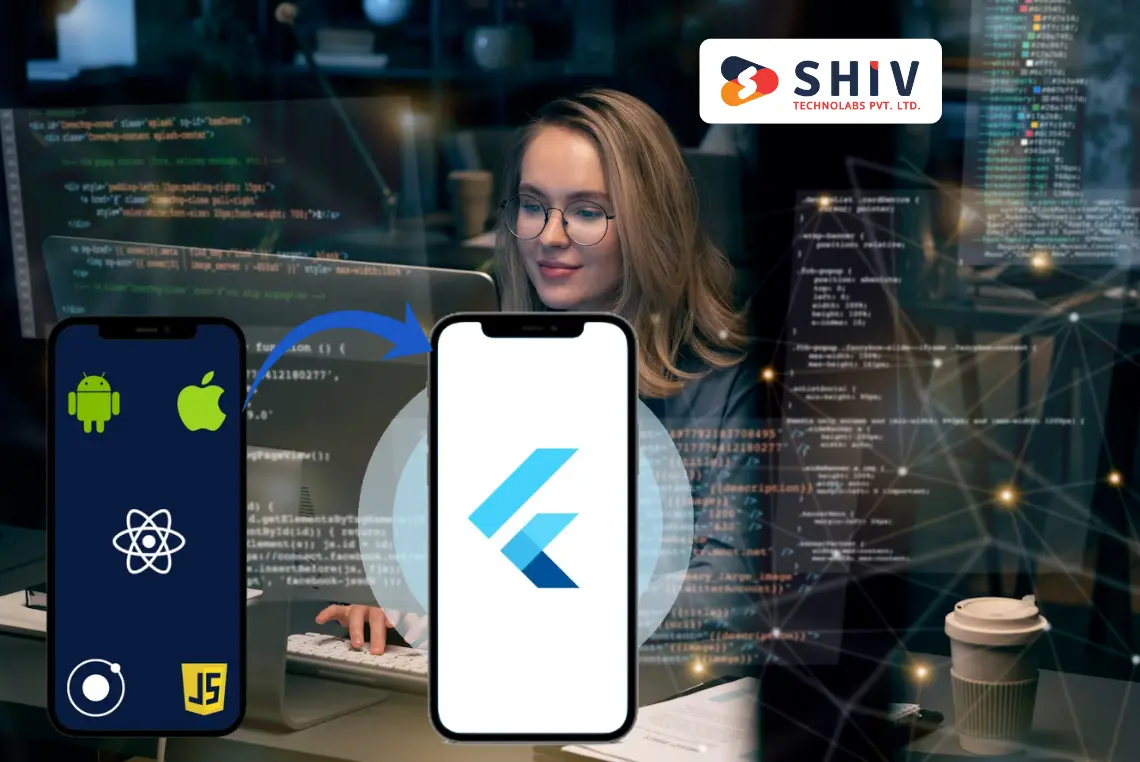
Native apps that once felt fast now slow releases and drain budgets across two codebases. With expert Flutter app development services in USA, you can shift to one stack without sacrificing quality. The result is faster shipping, consistent features across platforms, and lower lifetime costs for your roadmap.
Two separate codebases double every estimate, from features and fixes to testing and release approvals. Design parity slips, operating system changes pile up, and your team fights fires instead of shipping. Flutter removes that drag by letting teams deliver once for iOS and Android without compromises.
This guide gives a clear path for migration in the U.S., from planning through release and support. You will learn the steps, realistic costs, and timelines that help leaders approve budgets with confidence. We also share practical guardrails that reduce rework and protect prior investments in native modules.
If you need momentum this quarter, our migration team can assess your app and outline milestones quickly. Get a focused plan that maps risk, scope, and resourcing before the first Flutter line ships. You leave with timelines and deliverables that product, engineering, and finance can back without hesitation.

Why Are Businesses in the USA Moving from Native Apps to Flutter?
What Limitations Do Native Apps Face Over Time?
Two codebases double feature work, delay bug fixes, and stretch QA beyond reasonable sprint boundaries. OS upgrades force repeated updates, while design inconsistencies increase tickets and erode user trust across platforms. Hiring remains tough when you need separate iOS and Android skills to keep parity across releases.
How Does Flutter Overcome These Native App Challenges?
Flutter ships one codebase for iOS and Android, which cuts duplicate work and reduces release friction. Its widget system keeps visuals consistent, while a shared test suite lowers defects and support overhead. Direct rendering drives smooth screens without heavy bridges between views and business logic layers, even under load.
Why Is the USA Leading in Flutter Adoption?
American teams prioritize speed, predictable budgets, hiring flexibility, and compliance requirements across fast-moving product roadmaps. A strong local ecosystem, proven case studies, and enterprise modernization programs accelerate adoption nationwide today. Startups also favor Flutter to land features quickly without sacrificing quality across both platforms while controlling spend.
- Reduced development hours
- Unified design across iOS & Android
- Easier scalability for startups and enterprises
Together, these gains turn the Native App to Flutter migration into a practical path for growth. Choosing Flutter app migration in the USA helps teams ship on one schedule and meet market demands faster. Flutter also simplifies analytics, flags, and A/B testing because each experiment ships once across both stores. Your product team plans one rollout, tracks one dataset, and iterates faster with clearer signals. You can keep critical native modules and bridge them cleanly, which protects prior investments.
How to Prepare for a Successful Flutter Migration

Preparing well protects budgets and schedules when you convert an existing app to Flutter. Start with a short readiness phase that defines scope, risks, and success metrics. You move faster later because teams share the same plan from day one.
What Should You Analyze Before Migrating?
Map the current architecture, including data flows, caching, and offline behavior for critical journeys. Review authentication, push notifications, analytics, and payments to confirm parity expectations. Note platform-specific features that must remain native for performance or regulatory reasons.
How to Audit Code and Third-Party Libraries?
Catalog SDKs, in-app purchase modules, and device APIs that touch cameras, sensors, or background services. Flag deprecated libraries or custom views that lack equivalent Flutter packages today. Decide whether to replace, write a thin platform channel, or keep a native screen temporarily.
What Resources Are Needed for Migration Readiness?
Assign a product owner, a Flutter lead, and QA with device coverage across iOS and Android. Line up design support for widget mapping and spacing decisions that preserve your brand system. Prepare CI/CD, crash reporting, and analytics so each milestone ships and gathers clean data.
Readiness checklist
- Audit backend APIs for compatibility
- Document existing features with acceptance criteria
- Prepare UI/UX mockups for Flutter components
- Plan post-migration QA testing with device matrices
A focused two-week assessment delivers a punch list, estimates, and a sprint plan. Our specialists can run that assessment and highlight blockers before coding begins. You get timelines, risk notes, and quick wins that speed delivery without cutting quality.


What Are the Steps to Migrate a Native App to Flutter?
These steps outline a reliable path for Native App to Flutter migration with predictable delivery. They suit startups and enterprises pursuing Flutter app migration in the USA under measured budgets and timelines.
Step 1: Evaluate Your Native App’s Architecture and Codebase
Evaluate architecture, module boundaries, and shared business rules carefully before any Flutter code is written. Identify risk areas like custom renderers, background services, or device APIs that demand native bridges.
Step 2: Create Flutter-Compatible UI/UX Designs
Translate current design tokens, spacing, and components into Flutter widgets while honoring your brand system. Prototype complex screens early, including gestures, animations, and accessibility states across common device sizes in testing labs.
Step 3: Migrate Business Logic and Integrate APIs
Port business logic into Dart, map models, and connect network clients to your existing backend APIs. Keep endpoints stable, version contracts, and introduce adapters that translate platform specifics into shared abstractions.
Step 4: Add or Replace Native Plugins and Modules
Replace outdated libraries with supported plugins, or build thin platform channels for camera, payments, or sensors. Preserve high-value native screens temporarily when required, and schedule progressive refactors after initial release milestones arrive.
Step 5: Conduct Multi-Device Testing and Debugging
Test across iOS and Android devices, OS versions, networks, and locales with a clear device matrix defined. Automate unit, widget, and integration tests, then track crashes and performance using release-friendly telemetry dashboards weekly.
Step 6: Launch and Monitor the Flutter Application
Ship to both stores with staged rollouts, feature flags, and rollback paths for critical issues. Monitor funnels, retention, and ratings, then plan follow-up sprints for polish and parity improvements across platforms.
Our migration specialists map a clean path, reduce rework, and protect current investments and timelines. We commit to clear milestones, steady communication, and actionable dashboards during Flutter app migration in the USA.
Request a quick discovery call, and receive a plan covering scope, estimates, and release approach with risk controls included. We can start with a two-week assessment that de-risks the Native App to Flutter migration upfront for stakeholders.
Estimated Timeline by Phase
| Step | Description | Estimated Duration |
|---|---|---|
| Audit & Planning | Review architecture and dependencies | 1–2 weeks |
| UI/UX Redesign | Build Flutter-ready layouts | 2–3 weeks |
| Logic & API Migration | Port core functionalities | 2–4 weeks |
| Testing & QA | Multi-platform performance check | 1–2 weeks |
| Launch & Support | Deployment and maintenance | 1 week |
Actual timelines depend on feature volume, code quality, and device coverage across pre-release testing phases and integrations. We tailor the plan after a workshop, then confirm milestones, owners, and reporting before development begins.
Flutter Migration Cost in the USA: What Affects Pricing?

Leaders often ask, How much does Flutter migration cost in the USA for existing native apps? Pricing depends on scope, integrations, code quality, and design work required for parity across platforms. Clear discovery reduces waste and delivers estimates that fit real business goals and deadlines today.
What Factors Influence Flutter Migration Cost?
Complex features like offline sync, media rendering, and real-time updates demand deeper engineering hours across both platforms. Third-party SDKs, payment flows, and custom views may need replacements or thin platform channels for feature parity.
How Do Costs Vary by App Size and Features?
Small apps with simple screens and basic APIs usually migrate faster with lower budgets in practice. Mid and enterprise builds add complex flows, analytics, and audits expected by compliant teams across regulated sectors. Engage trusted mobile app development services in USA for realistic scoping and cost control from day one.
Is It Cheaper to Migrate or Rebuild from Scratch?
Migration saves time when existing backends, flows, and content already serve customers well with stable uptime. Rebuilds make sense if native code is brittle, untested, or tied to outdated patterns that block progress. We compare both paths and recommend the route with the best lifetime value for your roadmap. For broader moves beyond mobile, see Application Migration Services.
Cost Overview
| App Type | Estimated Cost (USD) | Average Duration |
|---|---|---|
| Basic App | $5,000 – $10,000 | 4–6 weeks |
| Mid-Level App | $10,000 – $25,000 | 6–10 weeks |
| Enterprise App | $25,000 – $50,000+ | 10–16 weeks |
Our team scopes Flutter app migration in the USA with clear deliverables and fixed milestones that match your goals.
How Long Does Flutter Migration Take for U.S. Businesses?
Leaders ask how long Flutter migration takes because timelines drive hiring, marketing, and budgets today. Most projects ship within four to twelve weeks, with scope and quality setting the pace through each phase.
What Determines Flutter Migration Timeline?
Feature volume, legacy code risks, and device coverage influence schedules more than team size in most cases. Clean APIs, solid tests, and stable designs cut rework and speed early milestones across both platforms.
Typical Duration for Small, Mid, and Enterprise Apps
Small apps often complete in four to six weeks with limited screens and straightforward data flows. Mid-size builds land in six to ten weeks, depending on payments, auth, analytics, and push flows. Enterprise programs take ten to sixteen weeks when security reviews and audits add steps across stakeholders.
How to Shorten Migration Time Without Risking Quality?
Align milestones early and lock scope for each phase before engineering begins to protect velocity and quality. Assign a QA schedule per module, and triage defects weekly with release criteria that everyone understands. Work with experienced migration specialists who plan bridges, tests, and telemetry from day one for clear signals.
- Define milestones early
- Assign QA cycles per module
- Use experienced migration specialists
We manage schedules closely and keep momentum without cutting quality across U.S. releases through focused project management.
What Are the Key Benefits of Converting Your Existing App to Flutter?
When you convert an existing app to Flutter, you cut duplicated work and deliver updates on one reliable schedule. Teams move faster, reduce release risk, and keep features consistent across iOS and Android with one codebase.
How Does Migration Improve App Performance?
Flutter draws the interface directly with a high-performance engine that avoids heavy bridges. Screens feel smooth, animations stay steady, and complex views render predictably across modern devices.
Why Does Flutter Lower Maintenance Effort?
One codebase means one testing suite, one design system, and fewer version conflicts during releases. Your backlog shrinks because fixes and features land once, not twice, across parallel platform tracks.
How Does It Help Scale Your App for Future Updates?
Flutter’s package ecosystem and clean widget model support rapid feature work and steady refactors. Feature flags, modular code, and shared analytics help product teams run faster experiments with clearer signals.
- Native-like performance across platforms
- Faster updates using Hot Reload
- Reduced long-term maintenance costs
- Unified experience for all devices
How to Hire the Right Flutter Migration Experts in the USA
Choosing well matters, so hire Flutter migration experts with proven native-to-Flutter case studies and references. Ask for code samples, store links, and measurable outcomes such as crash rate drops or cycle time gains.
What Qualities Should You Look for in a Migration Partner?
Seek strong Dart skills, platform channel experience, and CI/CD discipline across both stores. Confirm device lab coverage, accessibility testing habits, and a clear handoff plan for internal teams.
What Questions Should You Ask Before Hiring?
Ask how they manage risk, stage rollouts, and handle plugin gaps or custom native modules. Request a written plan that lists milestones, owners, and acceptance criteria for every phase.
Why U.S. Expertise Matters for Migration Success
Local teams understand payments, privacy rules, and enterprise review cycles that affect release gates. They also maintain device coverage aligned with common U.S. user segments and carrier networks.
- Proven experience in native-to-Flutter projects
- Transparent cost structure
- Post-migration support policy
Plan Your Native-to-Flutter Move with Experts
We deliver end-to-end Flutter migrations for U.S. teams, covering planning, design mapping, code porting, testing, and launch. Our specialists audit your app, define milestones, and ship on a schedule your leaders can track easily. You get clear dashboards, weekly reports, and a support path that keeps momentum after release. We protect your current backend and keep critical native modules where it makes sense.
Get a free migration assessment today from our Flutter specialists and see how your business can upgrade efficiently. Share your app details, and we will send a scoped plan with timelines and estimates.
Conclusion
Migrating from native to Flutter gives faster delivery, lower costs, and consistent features across iOS and Android. One codebase reduces friction, cuts duplicated work, and supports cleaner analytics for confident product decisions. With the right plan and partner, you gain reliable schedules and better user feedback loops.
Connect with Shiv Technolabs – your Flutter app development company in the USA – for expert guidance, a risk review, and a practical timeline. Schedule a short discovery call to align scope, budgets, and milestones before coding starts for a smooth launch.
Frequently Asked Questions About Flutter App Migration
What is the average cost of Flutter migration in the USA?
Most projects fall between $10,000 and $25,000, depending on scope and integrations.
How long does a typical Flutter app migration take?
Small apps ship in 4–6 weeks; larger programs run 10–16 weeks.
Can all native app features be migrated to Flutter?
Most features migrate; some remain native behind platform channels.
Is migration better than rebuilding an app from scratch?
Migration wins when backends and flows already work well.
How do I find reliable Flutter migration experts in the USA?
Review case studies, request code samples, and verify post-launch support.