Table of Contents
Starting a business in 2026 means entering a space shaped by AI agents, digital adoption, and shifting investor priorities.
The AI agent market alone is projected to reach $13 billion by end of 2026, and global cybersecurity spending is set to exceed $300 billion this year. Even as investors remain selective, tech-driven ventures with clear product-market fit continue to attract strong backing. The e-learning market is on track to surpass $500 billion by 2035, and the global wellness economy is valued at over $7 trillion, both sectors wide open for new founders.
This guide shares 50+ profitable startup business ideas, grouped by sector, that reflect these global trends and the opportunities founders can act on right now.
For those ready to move from idea to execution, adopting the right startup development solutions is key to building products that scale.


Today Is the Right Time to Start – Know Why
If you’ve been holding back on your startup idea, this is a good moment to act. Investors still fund businesses that solve real problems, and customers are ready to adopt solutions that fit their daily needs.
Here’s why conditions work in your favor:
- Smaller teams can achieve more: With lean tools, AI agents, and cloud platforms, you don’t need a large workforce to launch or operate.
- Customer expectations are shifting fast: People value convenience, speed, and personalization, making them quick to adopt new solutions.
- Funding is still available: Investors are selective but continue to back startups with clear product-market fit and defensible models.
- Technology is within reach: AI tools, automation platforms, and no-code builders have cut both startup time and costs significantly.
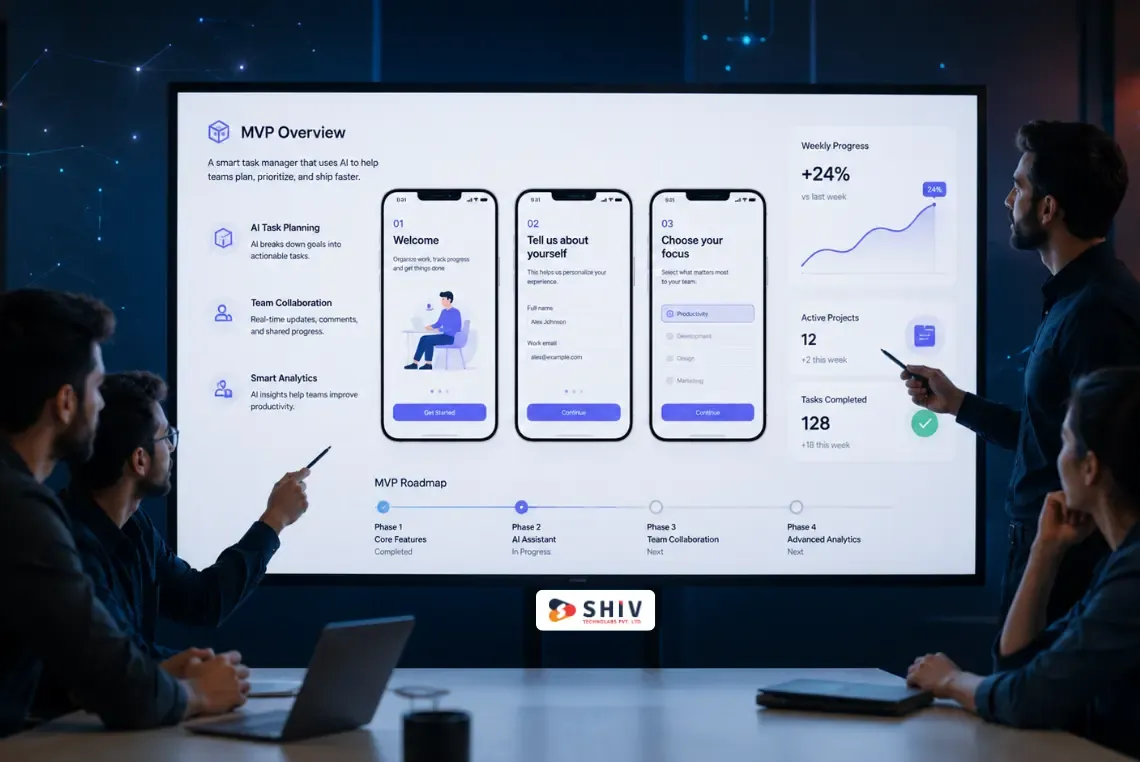
- Early testing is easier than ever: MVPs and prototypes can be validated quickly with real users, reducing risk before full build-out.
- AI is no longer a differentiator: Startups that build AI into their core product from day one compete at an entirely different level.
The path ahead isn’t about chasing big trends; it’s about picking the right idea, solving a pain point, and moving forward without delay.
Top 50+ Best Startup Business Ideas Worth Considering
Great businesses often start with simple ideas that solve everyday problems. What matters is choosing an idea that matches your skills, fits customer needs, and has room to grow.
The following sections break down 50+ startup business ideas across different industries — including a dedicated section on AI agent businesses, the single biggest opportunity category of 2026.
Idea 1: Best Startup Ideas for Beginners
Not every founder wants to jump straight into complex industries or raise massive funding.
Beginner-friendly startup ideas are designed to help you get started with less risk and fewer resources, while still giving you space to grow.
1. Dropshipping Store
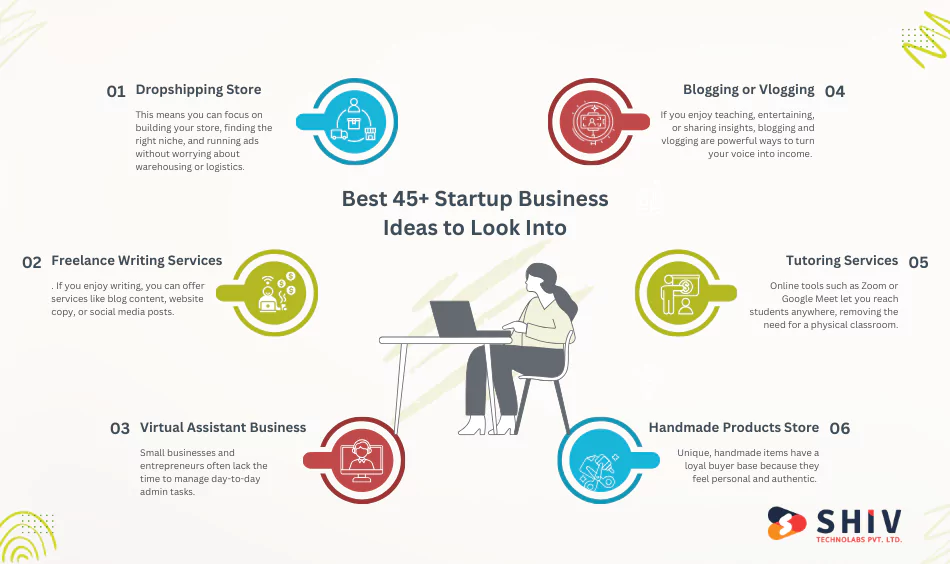
Dropshipping is one of the simplest ways to enter eCommerce. Instead of buying stock upfront, you work with suppliers who ship products directly to your customers. This means you can focus on building your store, finding the right niche, and running ads without worrying about warehousing or logistics.
Profit margins may be slim at first, but the low startup cost makes it a great way to test multiple product categories. Once you find items with consistent sales, you can expand into private labeling or full-scale eCommerce.
2. Freelance Writing Services
Content is the fuel of digital marketing, and businesses pay well for skilled writers. If you enjoy writing, you can offer services like blog content, website copy, or social media posts.
The barrier to entry is low—you only need a laptop and an internet connection to start. At first, you might take small projects on freelance platforms, but with time, building a personal brand helps you charge higher rates.
Scaling is also possible: you can turn solo work into a small content agency by hiring other writers.
3. Virtual Assistant Business
Small businesses and entrepreneurs often lack the time to manage day-to-day admin tasks. Virtual assistants handle scheduling, email management, research, and sometimes even customer support—all done remotely.
This business needs strong organizational skills more than money, making it perfect for beginners. As you gain experience, you can niche down (for example, VA services for real estate agents or eCommerce owners).
With multiple clients, it can grow into a full-time business or even an agency that manages a team of VAs.
4. Blogging or Vlogging
If you enjoy teaching, entertaining, or sharing insights, blogging and vlogging are powerful ways to turn your voice into income. You start by choosing a niche—fitness, finance, food, or tech—and building content consistently.
Traffic takes time, but once your audience grows, monetization options multiply: ads, affiliate marketing, brand sponsorships, and even selling your own products.
While it may take months to build momentum, this business has long-term potential since your content works for you 24/7, even while you sleep.
5. Tutoring Services
Education will always be in demand, making tutoring a safe business to start. You can begin by offering sessions in subjects you’re confident about—math, coding, or even soft skills like communication.
Online tools such as Zoom or Google Meet let you reach students anywhere, removing the need for a physical classroom.
You can start one-on-one but later build group sessions, pre-recorded courses, or even hire other tutors to scale your business.
Profitability grows with specialization—parents often pay more for niche subjects like test prep or coding.
6. Handmade Products Store
Unique, handmade items have a loyal buyer base because they feel personal and authentic. Whether it’s candles, custom jewelry, or home décor, you can sell through platforms like Etsy or Shopify.
The startup cost is minimal—materials and time—but customers are often willing to pay premium prices for originality. Social media platforms like Instagram or Pinterest are powerful for showcasing products and building a following.
As demand increases, you can expand by outsourcing production while keeping your brand’s creative identity.


Idea 2: Online Business Ideas
Online businesses give you freedom from location and often require lower investment compared to physical setups.
They allow you to test, pivot, and scale quickly without worrying about heavy infrastructure. Many of these ideas can be run solo at first and later grown into full-scale companies with remote teams.
7. Subscription Box Business
Subscription boxes have become popular because they combine discovery with convenience. You curate items around a theme—beauty, snacks, fitness, or books—and ship them monthly to subscribers. The appeal lies in recurring revenue, which makes income predictable.
To start, you need to find a niche audience and reliable suppliers. Over time, you can expand by creating your own branded products instead of relying on third-party items.
8. Print-on-Demand Store
Print-on-demand lets you sell custom-designed t-shirts, mugs, or stationery without managing inventory. When a customer places an order, a third-party service prints and ships the product under your brand.
This reduces risk since you only pay for items sold. It’s a great entry point for creative entrepreneurs who enjoy design but don’t want manufacturing hassles.
Growth opportunities include expanding into bulk orders, niche merchandise, or branded collaborations.
9. Digital Marketing Agency
Every business wants to grow online, but most lack the expertise. A digital marketing agency helps with SEO, ads, email campaigns, and social media.
Starting small as a freelancer, you can manage accounts for local businesses and then build a team as demand grows. The startup cost is mainly your time and skill, but the potential for high retainers makes it attractive.
Scaling involves building case studies, offering specialized services, or targeting specific industries like healthcare or eCommerce.
10. Resume & Portfolio Services
With competition in the job market rising, candidates want standout resumes and portfolios. A resume service helps by creating polished, modern CVs, LinkedIn profiles, or even personal websites.
The business requires minimal cost—just design skills, writing ability, and a strong understanding of hiring trends. It’s highly scalable because you can create templates, offer packages, or even build an online tool that automates the process.
Over time, you can expand into interview prep and career coaching.
11. Language Learning Platform
Language learning remains a global need, especially for professionals and travelers. A startup can create apps, websites, or online classes that use gamification, live practice sessions, and speech recognition.
While large players exist, niches like regional languages or business-focused courses are still underserved. Monetization comes from subscriptions or one-time course fees.
With AI integration, you can personalize lessons, making it easier to retain users and stand out from competitors.
12. E-Learning Courses
The online education sector is exploding. If you have expertise in coding, finance, design, or even hobbies, you can package that into structured courses.
Platforms like Teachable, Udemy, or even YouTube allow you to launch quickly with little upfront investment. The challenge is building trust and an audience—but once established, your courses can bring passive income.
Advanced founders can turn this into a full-fledged edtech startup with multiple instructors and subjects.
13. Stock Photography Website
Visual content is always in demand for websites, blogs, and ads. A stock photography business allows photographers to upload images and sell licenses to businesses.
You can start as a single creator and expand into a marketplace where other photographers list their work. The scalability lies in volume—the more images you have, the higher your earning potential.
Adding AI-based search and curation features can make your platform stand out in a crowded space.
14. Podcast Production Services
Podcasts are booming, but most creators struggle with editing and distribution. A podcast production business helps by offering audio editing, show notes, graphics, and publishing support. You can begin with just a laptop, audio software, and basic editing skills.
The model works well as a service business at first, but it can scale into an agency with multiple editors and designers. Long term, you can even launch your own podcast network and monetize through ads or sponsorships.
Idea 3: Startup Ideas for Home-makers
Not every founder wants to invest in an office or store at the start. At-home businesses allow you to work with flexibility, keep costs low, and still build a serious income stream.
Many successful entrepreneurs begin with small home-based operations before scaling into larger ventures.
15. Meal Prep Kits
People are busier than ever and want convenient food options without compromising on health. With a meal prep kit business, you prepare portioned ingredients with simple instructions and deliver them to customers.
It’s affordable to start from your own kitchen, focusing on local delivery. The business can scale by expanding into specialized kits such as vegan, gluten-free, or family packs.
Over time, you could partner with fitness coaches, nutritionists, or gyms to target health-focused audiences.
16. Baking Business
If you enjoy baking, turning your passion into a business is easier than ever. Cakes, cupcakes, cookies, or bread can be sold to neighbors, online customers, or through local cafes.
Startup costs are minimal if you already have baking equipment at home. Marketing through social media and word of mouth is highly effective for this business.
Growth opportunities include custom cakes for weddings and events, or even opening a small bakery once demand is consistent.
17. Pet Care Products
Pet owners spend generously on their furry friends. From organic treats to grooming products, a home-based pet care brand can find a strong niche audience.
You can start by creating small-batch products like shampoos, toys, or treats, and testing them within your community.
Social platforms like Instagram and TikTok are perfect for showcasing pets enjoying your products. As sales grow, you can expand into eCommerce and subscription boxes for recurring revenue.
18. Craft Workshops Online
Crafting has a huge community of learners who want to try something creative. You can host live workshops or sell pre-recorded classes for arts like pottery, knitting, or painting.
Starting is as simple as recording lessons from home with basic equipment. You make money through class fees and can upsell supplies or DIY kits alongside.
With enough students, this idea can grow into a larger online school for creative hobbies.
19. Baby Products Store
Parents want safe, high-quality, and often eco-friendly products for their children. A home-based store selling toys, clothing, or accessories can gain quick traction.
You can sell through Shopify, Amazon Handmade, or even Instagram shops. The key is focusing on trust and quality—parents will pay more for products that feel reliable.
Scaling options include building your own brand of eco-friendly or personalized baby products.
20. Subscription Wellness Kits
Health and self-care are booming markets. You can create curated wellness boxes with skincare, aromatherapy, or nutritional items and deliver them monthly.
Starting small, you can source affordable but high-quality products and brand them under your own name. Customers enjoy the convenience and surprise element of subscription boxes.
With good packaging and marketing, this can evolve into a full lifestyle brand.
Idea 4: Low-Cost Startup Ideas
Many aspiring founders hesitate because they believe starting a business requires a large budget. The truth is, plenty of successful ventures can begin with minimal investment, relying more on creativity, time, and effort than heavy funding. These ideas are practical for anyone looking to start lean and grow steadily.
21. Social Media Consulting
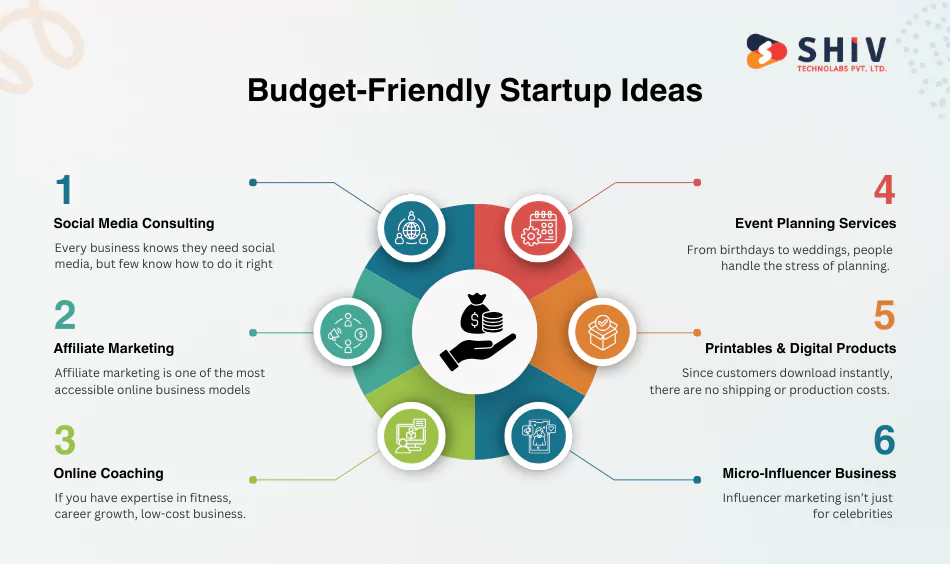
Every business knows they need social media, but few know how to do it right. As a consultant, you help brands with strategy, content planning, and community management.
Startup costs are almost zero—you only need your expertise and a computer. By specializing in a niche like restaurants, coaches, or local shops, you can quickly become a go-to expert.
Long-term, you can turn your solo work into a small agency offering full-scale digital marketing.
22. Affiliate Marketing
Affiliate marketing is one of the most accessible online business models. You promote products through blogs, YouTube, or social media, and earn a commission for each sale.
It doesn’t require you to create or store products, making it a low-risk option. At first, income may be slow, but as your audience grows, commissions compound.
Over time, you can build a strong personal brand and attract higher-paying affiliate partnerships.
23. Online Coaching
If you have expertise in fitness, career growth, finance, or soft skills, coaching can be a profitable, low-cost business. You only need video conferencing software and a way to reach clients.
The model is flexible—you can offer one-on-one sessions, group classes, or pre-recorded courses. Starting lean means focusing on a single niche audience.
As demand grows, you can scale by hiring other coaches or creating structured programs.
24. Event Planning Services
From birthdays to weddings, people prefer professionals who can handle the stress of planning. As an event planner, your role is coordination—you connect clients with caterers, venues, and vendors, earning income through fees or commissions.
Startup investment is minimal since you don’t need to own supplies or locations. The key is building trust and showing creativity through small projects first. With good referrals, this can grow into a large-scale events agency.
25. Printables & Digital Products
Selling digital products is one of the simplest low-cost ideas. Items like planners, worksheets, e-books, or design templates can be created once and sold repeatedly with no extra cost. Platforms like Etsy, Gumroad, or Shopify make setup easy.
Since customers download instantly, there are no shipping or production costs. Scaling involves expanding your catalog, bundling products, or even creating memberships where buyers access new content monthly.
26. Micro-Influencer Business
Influencer marketing isn’t just for celebrities. Micro-influencers (with smaller but loyal audiences) are in demand because they often deliver better engagement.
If you enjoy creating content, you can build a following around a niche like food, fashion, or productivity. It doesn’t cost much to get started beyond a phone and consistency.
Brands will pay for collaborations once you grow your presence, and you can expand by launching your own products later.
Idea 5: Tech & App-Based Business Ideas
Technology is at the heart of many successful startups today. Software, apps, and automation solutions not only attract investor attention but also have high demand among businesses and end-users.
27. AI SaaS Tools
AI-powered SaaS (Software as a Service) products are among the most in-demand business models. These tools can automate customer support, analyze data, or help with content creation.
You start by identifying a specific problem—for example, AI for invoice scanning or predictive hiring tools. SaaS generates recurring revenue through monthly subscriptions, making it reliable and scalable.
With steady improvements and updates, this type of startup can grow into a long-term business.
28. Chatbot Development
Businesses are adopting chatbots to handle customer queries instantly and reduce support costs. As a chatbot startup, you can design tailored bots for industries like eCommerce, healthcare, or real estate.
Platforms like WhatsApp and Messenger have made chatbot integrations easier, creating a huge opportunity for small startups.
The beauty is that once a framework is built, you can replicate it for multiple clients. This model also allows expansion into voice-based assistants.
29. Custom Mobile Apps
Many industries—from fitness to real estate—need niche apps to serve their customers better. Building mobile apps solves specific problems, such as booking appointments, tracking workouts, or managing rentals.
If you have technical skills or a development partner, you can start with one niche and expand into others. Revenue comes from client projects or app store sales.
Long-term, you could turn a single app into a full-fledged product startup.
30. Cybersecurity Consulting
With more business conducted online, cybersecurity is no longer optional. Startups offering services like vulnerability testing, penetration audits, and data protection can attract strong demand.
You don’t need a huge team to start—just expertise and a structured offering. Businesses are willing to pay premium rates for peace of mind, especially in sectors like finance, healthcare, and eCommerce.
Scaling can include launching your own security software alongside consulting.
For founders looking to build proprietary security tools, our custom software development services are designed to support exactly this kind of product evolution.
31. ERP & CRM Solutions
Many small and mid-sized companies still rely on outdated systems to manage operations and customers. Building ERP and CRM solutions tailored to specific industries can be a powerful business.
This is especially relevant for sectors like retail, logistics, and manufacturing. Revenue models can include one-time setups plus ongoing support or subscription-based pricing. The opportunity to scale is huge, especially with cloud-based offerings.
32. Predictive Analytics Platforms
Companies want to anticipate trends instead of reacting to them. Predictive analytics startups build platforms that use data to forecast demand, spot risks, or personalize recommendations.
For example, a retailer may want insights on seasonal buying patterns, while a logistics company may need delivery forecasts. The business potential is strong since every industry relies on data.
Over time, this startup can expand by serving multiple verticals or integrating with other enterprise tools.
33. AR/VR Apps
Augmented Reality (AR) and Virtual Reality (VR) are no longer futuristic—they are practical tools in education, retail, and entertainment.
An AR app can help customers try furniture in their living rooms virtually, while VR can make learning more immersive. Starting small with niche projects allows you to refine your skills and gain credibility.
Monetization can come through client projects, in-app purchases, or partnerships with brands. With global demand rising, this is a future-ready business idea.
34. HR Tech Tools
Hiring and managing employees is challenging for businesses of all sizes. HR tech startups create solutions for recruitment, payroll, training, and performance tracking.
Even small apps—like scheduling tools for shift workers—can gain popularity quickly. The startup costs are moderate if you have development expertise, but the returns are strong because companies pay for efficiency.
You can scale by adding AI features like automated candidate matching or employee engagement analytics.

Idea 6: AI Agent Business Ideas
Artificial intelligence has moved beyond tools that respond to prompts. In 2026, AI agents act autonomously. They plan, execute tasks, make decisions, and coordinate workflows without constant human input. This shift has opened one of the largest entrepreneurial opportunities in the past decade, and the market is moving fast.
Founders who build in this space do not need to train their own models. Using existing APIs and platforms, even small teams can build agent-powered businesses that solve real problems for real clients, at a fraction of the cost that would have been required two years ago.
35. AI Customer Support Agent
Businesses spend heavily on customer support, yet response times and quality remain inconsistent. An AI customer support agent startup builds autonomous systems that handle first-line queries, categorize tickets, resolve common issues instantly, and escalate complex ones to human agents with full context.
The revenue model works on monthly retainers per client, and once your agent framework is built, replicating it for new clients requires minimal extra effort. Target industries include eCommerce, SaaS companies, and healthcare providers — all of whom deal with high query volumes and tight support budgets.
For founders who want to build and deploy this kind of system, we provide top-notch AI agent development services provide the technical foundation to move from concept to production quickly.
36. AI Marketing Content Agent
Marketing teams across every industry need a constant stream of content, blog posts, social captions, email campaigns, ad copy, and performance reports. An AI marketing content agent startup builds systems that generate, schedule, and optimize content across channels based on brand voice and audience data.
What makes this different from simple AI writing tools is the agentic layer. The system monitors performance, runs A/B tests, adjusts strategy based on results, and updates content calendars automatically. Clients pay monthly subscriptions ranging from a few hundred to several thousand dollars, depending on the scale of content and channels managed.
37. AI Recruitment Agent
Hiring is one of the most time-consuming processes in any business. An AI recruitment agent reads resumes, ranks candidates against job requirements, flags skill gaps, and generates tailored interview questions, all without manual input from the hiring team.
Companies that hire at scale spend enormous amounts of time on resume screening alone. An AI agent that reduces that effort by 70 to 80 percent delivers instant, measurable ROI. The startup earns through per-hire fees or monthly platform subscriptions, and the business scales cleanly because the agent handles more volume without adding headcount.
“Got a startup idea in the AI space? Talk to our team about building your MVP – Shiv Technolabs’ AI Development Services are built for exactly this.”
Idea 8: Green Tech & Sustainability Business Ideas
Sustainability is no longer a niche concern, it is a regulatory and commercial priority. In 2026, new EU CSRD compliance rules, growing carbon border taxes, and a consumer base that actively chooses eco-conscious brands have created a wave of business opportunity for founders who can solve environmental challenges with practical products and services.
38. ESG Reporting & Compliance SaaS
Mid-sized companies now face mandatory sustainability reporting requirements in many markets, but most lack the internal tools or expertise to manage it. A SaaS startup that automates ESG data collection, tracks emissions, and generates compliance-ready reports for regulators and investors addresses a direct, painful, and urgent need.
Revenue comes from annual subscriptions, and the market is large. Almost every company with cross-border operations or institutional investors now needs some version of this. Building this on a custom software development stack that integrates with existing ERP and accounting systems gives it strong enterprise appeal.
39. Sustainable eCommerce Packaging Service
Brands selling online are under pressure to reduce single-use plastic packaging, both from regulators and from customers who care. A startup that provides sustainable, branded packaging design and fulfillment, including compostable mailers, recycled materials, and right-sized boxes can serve eCommerce brands as an ongoing supplier.
Startup cost is moderate but margins grow with volume. Long-term, you can expand into packaging analytics, helping brands track and report their packaging footprint.
40. Carbon Footprint Tracking App for SMEs
Small and mid-sized businesses want to understand their emissions but lack tools built for their scale. A mobile-first or web app that helps SMEs log travel, energy use, and supply chain emissions suggests actionable ways to reduce them and fills a clear gap.
Monetization works through freemium plans with premium analytics, and the business can partner with carbon offset providers for additional revenue. This is one of the fastest-growing SaaS niches globally heading into the second half of this decade.
Idea 9: Creative & Unique Business Ideas
Founders who think differently often create the most memorable businesses. Creative startups stand out because they serve specialized audiences, use storytelling to connect with customers, and often create loyal communities. These ideas are perfect for entrepreneurs who want to combine passion with business.
41. Indie Game Studio
Gaming is one of the fastest-growing industries, but you don’t need to compete with giants like Sony or EA to succeed. Indie studios thrive by building unique storylines, art styles, or niche genres for mobile, PC, or console.
With platforms like Steam and app stores, distribution is accessible even to small teams. The costs can be managed by starting with small, simple games and reinvesting profits into bigger projects.
Loyal gamer communities can make even small studios highly profitable over time.
42. NFT Art Marketplace
Artists and collectors are still drawn to digital ownership. An NFT marketplace allows creators to mint, sell, and showcase their work securely.
While the hype around NFTs has shifted, niche platforms focusing on specific art styles, music, or photography still hold strong potential. Startups in this space can earn through transaction fees and premium listings.
Adding features like community building or gamification makes the platform more engaging for both artists and buyers.
43. AR Filters for Social Media
Social platforms like Instagram and TikTok thrive on creative expression. Startups can create AR filters for individuals, influencers, or brands that want to engage audiences in fun, interactive ways.
These filters are relatively low-cost to build but can reach millions of users quickly. Demand is especially high from businesses looking to run creative marketing campaigns.
Long-term, you can expand by building a small studio that provides digital experiences beyond filters.
44. Digital Comic Publishing
Comics are no longer limited to print. Startups can create platforms where artists publish and monetize their comics digitally. Subscription models, ad revenue, and premium access can generate income.
This appeals to both indie creators looking for exposure and readers who prefer digital consumption. With creative marketing, such platforms can grow into communities, hosting events, competitions, and collaborations.
The scalability lies in building a global reader base while supporting diverse artists.
45. Creative Online Marketplaces
Generic marketplaces are crowded, but niche-focused ones stand out. A startup could create platforms that focus only on handmade jewelry, eco-friendly fashion, or collectible items.
These communities attract both sellers and buyers looking for specific experiences. The business earns through listing fees, commissions, or subscriptions for sellers.
With enough traction, creative marketplaces often expand into branded products, making them both a service and a product business.
46. Content Creation Studio
With content at the center of digital marketing, brands constantly need video, graphics, and photos. A startup studio can specialize in serving creators, small businesses, or even startups.
Beginning with small-scale projects like social media videos, you can gradually expand into full-scale ad campaigns.
This idea is scalable—you can start solo as a freelancer and later hire editors, designers, and videographers. The demand for content is endless, making this a long-term opportunity.
Idea 10: Health & Wellness Business Ideas
Health and wellness are no longer niche markets—they’re mainstream priorities. Consumers actively seek solutions for fitness, nutrition, and mental well-being, which makes this sector a strong space for founders.
47. Fitness Apps
With smartphones and wearables everywhere, fitness apps are one of the easiest ways to tap into the wellness economy.
You can build apps that track workouts, monitor nutrition, or even create AI-driven personalized routines. A simple MVP can start with tracking features and later expand into video lessons or live coaching.
Subscriptions are the best revenue model, and once you build a loyal user base, partnerships with gyms or fitness influencers can fuel growth.
48. Online Nutrition Coaching
Food is central to health, but most people struggle to find diets that work. Online nutrition coaching connects professionals with clients who want structured, personalized plans.
You can start small with one-on-one Zoom sessions and scale into group programs or pre-designed diet templates. Adding meal-tracking apps or recipe bundles creates more value for clients.
With rising interest in plant-based and specialized diets, there’s room to carve out a niche.
49. Mental Health Platforms
Mental health awareness has grown significantly, and access to support is more important than ever. A startup can create a platform that connects users with licensed therapists, guided meditation, or peer support groups.
The business can run on a subscription or pay-per-session model. Even small features like daily mood tracking or mindfulness exercises can attract users.
Scaling opportunities include partnerships with employers who want to support their staff’s mental well-being.
50. Home Workout Equipment Rentals
Gym memberships aren’t always convenient, and buying equipment is expensive. A rental startup provides treadmills, bikes, or weights for short-term or monthly use.
Customers benefit from flexibility, and you earn steady recurring income. This is especially attractive in urban areas where space is limited.
Over time, you can scale by offering premium packages with virtual trainers or bundling fitness apps alongside rentals.
51. Yoga Classes Online
Yoga continues to grow worldwide, appealing to all age groups. By offering online classes, you can reach students globally without the costs of a physical studio.
Classes can be live-streamed for interaction or pre-recorded for flexibility. Starting with just a few sessions per week helps build a following, and you can later expand into paid memberships, wellness retreats, or branded yoga merchandise.
The recurring nature of memberships makes this a stable idea.
52. Wellness Retreats
People are willing to pay for immersive experiences that help them recharge. A wellness retreat startup can organize weekend getaways focused on yoga, meditation, or digital detox.
While this requires partnerships with venues and trainers, it doesn’t need to start big—you can begin with small groups locally.
Retreats generate strong word-of-mouth, and satisfied participants often become repeat customers. Over time, you can expand into international retreats or specialized wellness events.
Got an Idea? Check Out Our Wellness Development Solutions!
How Startup Development Services by Shiv Technolabs Fit In?
Coming up with the right business idea is just the beginning. Turning that idea into a working product, app, or online platform requires the right technology partner. That’s where Shiv Technolabs comes in.
We work closely with founders and early-stage teams to take their concepts from idea to reality. Whether you need an MVP to test your startup, a custom mobile app, or a full digital product built for scale, our team is equipped to deliver. Our expertise covers:
- MVP Development: Build lean versions of your product to validate ideas quickly and reduce risk before full investment.
- Custom Software & Apps: Develop solutions tailored to your business model, target users, and technical requirements.
- AI Agent Development: Build autonomous agents that handle customer support, content, recruitment, or workflows for your startup or your clients.
- eCommerce Platforms: Create scalable online stores, marketplaces, or subscription-based platforms.
- Green Tech & Compliance Tools: Design and develop ESG reporting, carbon tracking, and sustainability-focused software for regulated markets.
- Ongoing Support & Scaling: Once your product is live, we help refine and expand it as your business grows.
For startup founders, working with Shiv Technolabs means having a partner who understands both the technical side of product development and the business challenges of launching a company. Instead of juggling multiple vendors, you can rely on one team to help you build, launch, and grow confidently.
Let’s Turn Ideas Into Action
Starting a business is never about the number of ideas you collect — it is about choosing the one that fits your skills, budget, and long-term vision. The 50+ startup business ideas shared here are meant to spark direction and show that opportunities exist in every sector, from AI agent platforms to physical wellness services.
But having an idea is only half the journey. The real challenge lies in execution—building the product, testing it with real users, and refining it for growth. That’s where the right development partner can make all the difference.
At Shiv Technolabs, we’ve worked with founders across industries to transform concepts into scalable startups. Whether you’re looking to build an MVP, launch an eCommerce platform, or develop a custom AI-powered solution, our team is here to help you move forward with confidence.
If you’re ready to take your startup idea from planning to launch, reach out to Shiv Technolabs and let’s build your next success story together.
Frequently Asked Questions
What is the most profitable startup to start in 2026?
AI agent businesses, cybersecurity SaaS, and digital marketing agencies are among the most profitable in 2026. Service-based businesses in these areas typically achieve net margins of 25 to 45 percent, with some SaaS models exceeding 50 percent gross margin. The key is choosing a niche with clear demand and a recurring revenue model rather than one-time project fees.
How do subscription-based startup ideas make money?
Subscription businesses — whether subscription boxes, wellness kits, e-learning platforms, or SaaS tools — generate recurring monthly or annual revenue from a fixed customer base. This makes income predictable and allows the business to plan inventory, staffing, and growth with more confidence than one-time sale models. The profitability comes from keeping churn low and customer lifetime value high, which means ongoing product quality and strong customer relationships matter more than constant new customer acquisition.
Is it still worth starting an eCommerce business?
Yes, but the approach matters. Generic dropshipping stores with no differentiation are harder to grow. What works in 2026 is niche-focused eCommerce with a clear customer identity, handmade products, eco-friendly goods, pet care brands, or specialty food items. Platforms like Shopify make setup straightforward, and social commerce through Instagram and TikTok gives new stores a path to customers without heavy ad spend.
Which startup ideas require no money to start?
Freelance writing, virtual assistant services, affiliate marketing, online coaching, and social media consulting can all be started with close to zero upfront investment. All you need is a skill, a device, and an internet connection. These are also the fastest to validate — you can land your first client within days by reaching out directly, without building a product first.
What are the best AI business ideas for beginners in 2026?
AI customer support agents, AI content creation services, and AI-assisted resume writing are the most beginner-accessible. Tools like OpenAI APIs and no-code automation platforms make it possible to build and offer these services without deep coding knowledge. Start with one niche client type, deliver clear results, and expand from there.
What is the fastest-growing startup sector in 2026?
AI agent development is the fastest-growing sector, with the market projected to grow from $5 billion in 2024 to over $13 billion by late 2026. Health tech, edtech, and green compliance SaaS are also growing rapidly, driven by regulatory changes and consumer demand for personalized, sustainable solutions.
How do I validate a startup idea before building it?
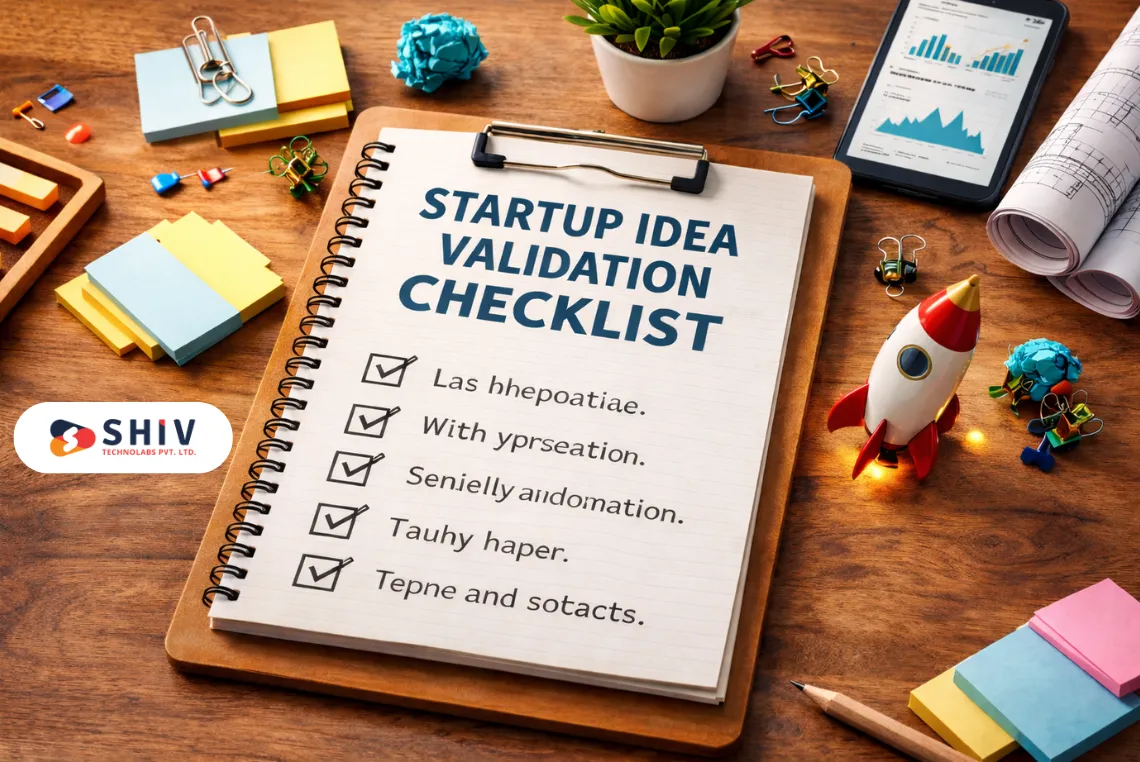
Start by confirming that people are already spending money on the problem you want to solve. Use Google Trends to check search interest, look at competitors charging for similar solutions, and build a simple landing page to gauge sign-ups before writing a single line of code. An MVP — a minimal, testable version of your product — is the most reliable way to validate with real users before committing to a full build.
How does Shiv Technolabs help startup founders turn ideas into products?
Shiv Technolabs works with founders from the earliest stage to help them validate ideas, define scope, and build MVPs that can be tested with real users before significant investment is committed. For startups that are ready to scale, the our team builds custom software, mobile apps, AI agent systems, eCommerce platforms, and SaaS products across industries.