Table of Contents
Online shoppers now expect fast pages, clear prices, and honest delivery dates across channels. They want accurate stock status, quick support, and simple returns in one place. Many retail and eCommerce teams meet these demands with Odoo ERP solutions connected from storefront to warehouse.
Customer expectations changed because buyers compare brands within minutes on mobile screens. They judge experience by speed, accuracy, and how smoothly orders move through each step. Odoo ERP for customer experience gives companies one source of truth for sales, support, and inventory.
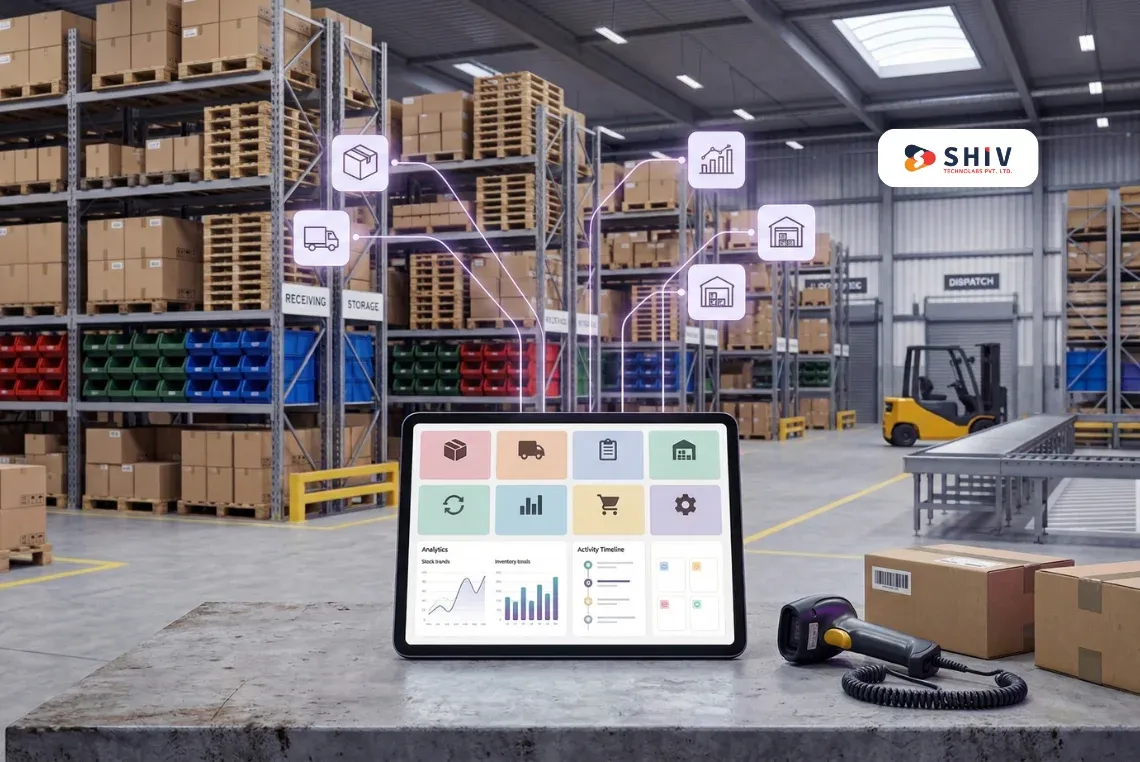
With Odoo, teams view inventory, orders, and conversations in real time. This shortens wait times, reduces errors, and cuts avoidable calls after purchase. The result is a stronger odoo ecommerce customer experience from click to doorstep.
What Makes Odoo ERP Ideal for Improving Customer Experience?
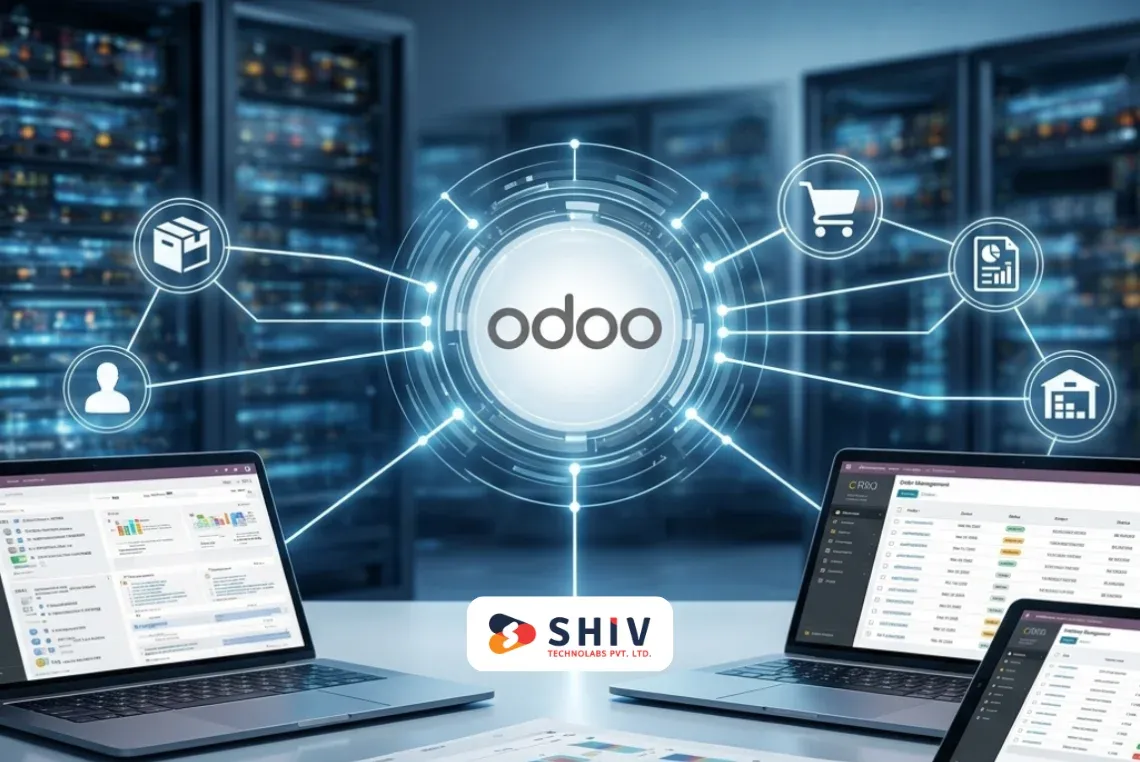
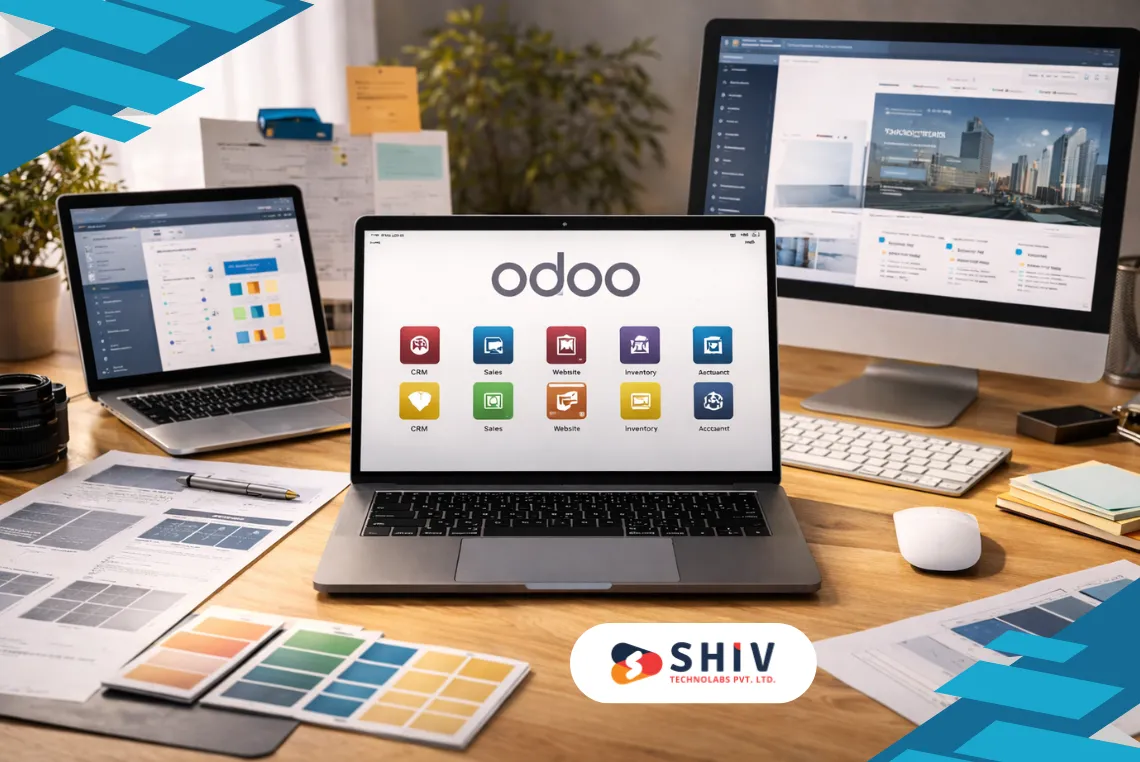
Odoo uses a modular design, so you add only the apps that fit your process. Sales, CRM, Inventory, Website, and Accounting connect without messy file imports. This supports Odoo ERP for customer experience because every team works from the same facts.
You gain end-to-end visibility from order capture to pick, pack, ship, and after-sales care. Dashboards track promised dates, shipment statuses, and payments, so managers act before problems grow. This is how Odoo improves the online shopping experience during busy seasons and daily operations. For a smooth rollout, consider Odoo implementation services.
Real-time stock prevents overselling and needless backorders during promotions and spikes. Automated order flows remove manual steps and send confirmations without extra clicks. Support teams work from tickets linked to orders, invoices, deliveries, and returns for faster replies.
Experience shift with Odoo ERP
| Aspect | Before Odoo ERP | After Odoo ERP |
|---|---|---|
| Order tracking | Manual updates | Real-time visibility |
| Checkout process | Slow and inconsistent | Unified and faster |
| Customer support | Disconnected systems | Integrated CRM and Helpdesk |
| Inventory accuracy | Frequent stockouts | Automated stock management |
Customers feel quicker checkouts, accurate stock views, and clear order updates across channels. Teams work faster because data sits in one system, not across scattered tools.
Odoo CRM and Helpdesk sit beside sales orders for responses with context and dates. Customers avoid repeating details because agents already see carts, invoices, and shipment notes. This reduces friction and supports odoo ecommerce customer experience with fewer handoffs.
Retailers also benefit from the app store with payments, carriers, and marketing add-ons. Start with core modules, then grow into coupons and loyalty without ripping out systems. You keep risk low while staying aligned around shared dashboards and daily targets. For payment flows, see our guide on integrating payment gateways in Odoo.
Who Is the Ideal Customer for Odoo ERP?
Odoo suits small and mid-sized retailers that want one system for sales, inventory, and support. It also fits eCommerce startups and B2B sellers with catalogs, quotes, and recurring orders.
These companies want clear order status, accurate stock, and quick responses without switching between disconnected tools. They pick Odoo ERP solutions to replace spreadsheets and run daily work in one place.
An Ideal Customer for Odoo ERP values real-time dashboards that link carts, payments, deliveries, and returns. Managers act early on supply risks and answer customers with accurate, up-to-date details.
Key Signs You’re an Ideal Odoo ERP User
- Managing multiple sales channels
- Struggling with manual inventory updates
- Lacking centralized customer data
- Experiencing order delays or return issues
Retailers with several warehouses need reliable reservations, barcode picking, and reorder points during peak demand. B2B brands need quotes, price lists, and approvals with full order history for every account.
Founders prefer a phased rollout that starts with sales and inventory, then adds marketing and support. This path reduces change friction and delivers quick results for leaders and frontline teams.
Startups gain a single view across ads, carts, and fulfillment, which lowers waste and churn. Growing stores need roles, field permissions, and audit trails as teams expand across sites and shifts. If you need specialists, you can hire dedicated Odoo developers.
What Is the Target Market for Odoo ERP?
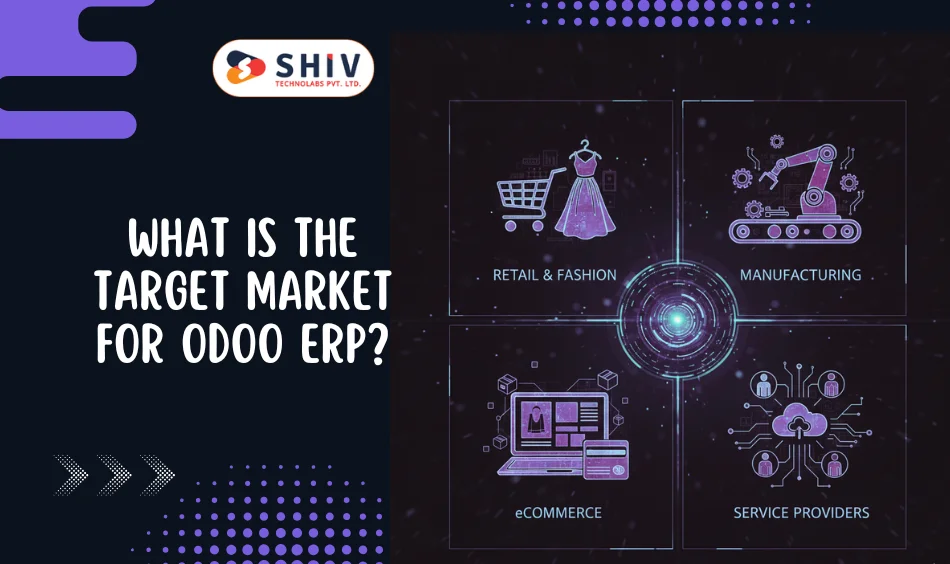
The Odoo Target Market covers retail, fashion, electronics, distribution, and service firms with rising online sales. These sectors need fast product updates, dependable stock counts, and consistent support across chat, email, and phone.
Odoo strengthens odoo ecommerce customer experience by syncing website, checkout, shipping, and after-sales service in one system. Managers track margins by channel and address delivery risks before complaints reach social feeds.
| Industry | Odoo Application | Customer Benefit |
|---|---|---|
| Retail & Fashion | POS + CRM | Unified loyalty experience |
| Manufacturing | Inventory + Purchase | Accurate order fulfillment |
| eCommerce | Website + Sales | Faster checkout |
| Service Providers | Timesheet + Helpdesk | Quicker client support |
Distributors depend on batch tracking, serial numbers, and reorder points to protect cash and service levels. Fashion brands apply variants and return rules to cut exchanges and lift net revenue per order.
Electronics sellers need warranty tracking, RMAs, and service tickets linked to each device. Odoo ties serial numbers to orders and support threads, so agents reply with complete context.
Omnichannel stores centralize orders, vouchers, and loyalty across marketplaces and points of sale. Service businesses connect timesheets, subscriptions, and taxes to invoices without extra manual steps.


How Does Odoo ERP Improve the Online Shopping Experience?
Shoppers choose brands that move fast, speak clearly, and keep promises across every channel consistently. That is how Odoo improves the online shopping experience and raises odoo ecommerce customer experience, end to end.
With Odoo, teams see carts, stock, shipments, and support in one connected dashboard instantly everywhere. This unified view powers Odoo ERP for customer experience by cutting effort, errors, and delays during busy periods.
1. Faster Checkout and Payment Process
Odoo connects carts, addresses, taxes, and payment acquirers, so shoppers finish checkout in fewer steps. Saved profiles, one-page checkout, and clear error handling reduce drop-offs and raise successful payments on mobile.
2. Personalized Product Recommendations
Odoo reads purchase history, wishlists, and CRM notes to suggest items that match intent and price. Relevant bundles and accessories add value, lift average order value, and guide quicker decisions without pressure.
3. Real-Time Order Tracking and Transparency
Customers track status, carrier scans, and ETAs in their account without calling support for basics. Operations teams see the same timeline, which helps them resolve exceptions before reviews turn negative.
4. Smooth Returns and Refund Management
Return requests create RMAs, pick-ups, and credit notes that keep records tidy for finance and service. Stock updates after inspections, so replacements or refunds move quickly, and customers stay informed throughout.
5. Loyalty Programs and Customer Retention
Coupons, points, and tiers reward repeat buyers across the web and store, encouraging the next purchase. Unified profiles track behavior, trigger win-back campaigns, and highlight fans who deserve early access offers.
These gains appear quickly when teams switch from disconnected tools to a shared workflow for daily tasks. Customers notice speed and accuracy first, then reward consistent service with more orders and referrals.
What Are the Best Odoo Modules for an eCommerce Experience?
Choose focused apps that raise speed, clarity, and reliability for shoppers and store teams alike daily. These picks support Odoo ERP for customer experience without unnecessary bloat or side projects attached.
Top Odoo Modules to Improve Customer Experience
- Website & eCommerce Module – Build fast product pages, carts, checkout, and guest-to-account flows that convert.
- CRM Module – Record interactions, set reminders, and guide timely follow-ups that lift response rates and revenue.
- Inventory Module – Keep accurate stock, reservations, putaway rules, and cycle counts across warehouses without chaos.
- Sales Module – Automate quotes, orders, invoicing, and confirmations while keeping status visible for every team.
- Helpdesk Module – Link tickets to orders, deliveries, and payments to speed answers and prevent repeat questions.
- Marketing Automation Module – Segment audiences, schedule win-back campaigns, and send targeted offers that feel helpful.
Because these modules share one database, updates appear everywhere without import headaches or copy errors. Shoppers get faster service and clearer status, while staff work confidently inside an aligned system.
How Does Odoo ERP Strengthen Customer Loyalty and Brand Image?
Happy buyers return more often and leave better reviews across channels. Odoo links sales, CRM, support, and fulfillment, so teams reply fast with full context. Clear status updates and honest ETAs reduce stress and keep trust high after purchase.
Feedback, NPS, and ticket tags land in one place with order history. Leaders see patterns by product, channel, or region and act before problems spread. Better post-purchase care lifts repeat orders and raises referral rates without large ad spend.
Ways Odoo Builds Stronger Customer Bonds
- Collects real-time feedback
- Tracks repeat customer behavior
- Automates personalized offers
- Sends timely post-purchase updates
Why Choose Experts for Your Odoo ERP Setup?
Projects move faster when specialists map goals to the right apps and settings. With odoo implementation services, your team gets fit-for-purpose workflows and clean data from day one. You avoid rework and keep shipping while the platform takes shape in the background.
Experts connect Odoo to payment gateways, carriers, accounting, and sales channels. They plan cuts to manual steps and document each stage for handover. This approach shows how Odoo ERP solutions reduce friction for both shoppers and staff.
Support matters after go-live. A steady partner monitors upgrades, tests changes, and applies fixes. Your store keeps a smooth buying path while features grow with demand.
Conclusion
Odoo improves the full journey – from discovery to repeat purchase – with faster checkout, accurate stock, and clear updates. Stores gain speed and control; customers get honest information and quick help when needed. Partnering with an experienced Odoo development company helps you deliver a unified and satisfying customer shopping experience.
FAQs
How does Odoo ERP improve the customer shopping experience?
Odoo connects sales, inventory, and CRM in one system. Buyers get faster checkout, accurate stock, and timely updates.
Which Odoo modules best support eCommerce experience?
Start with Website, CRM, Sales, Inventory, Helpdesk, and Marketing Automation. These apps cover key buying and support steps.
Is Odoo ERP suitable for small online stores?
Yes. Start with core apps and add more as orders, channels, and teams grow.
Can Odoo handle multiple sales channels?
Yes. Odoo manages web, marketplaces, and POS, then syncs stock and orders for clear reporting.
What industries benefit most from Odoo ERP solutions?
Retail, fashion, electronics, and service firms see strong gains from the modular setup and shared data.